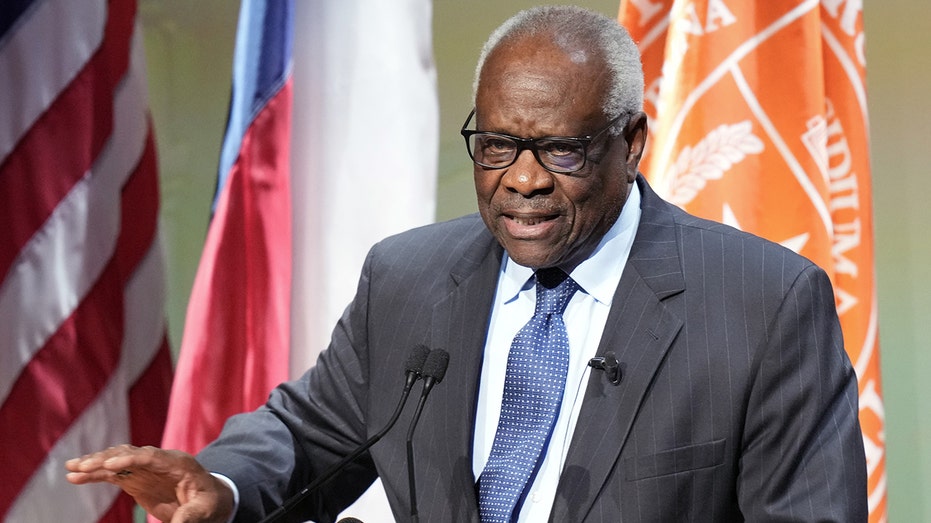
Supreme Court Declines Race-Based Policing Case; Justices Alito, Thomas Dissent
The Supreme Court refused to hear a case challenging race-based policing practices, with Justices Alito and Thomas dissenting.
The U.S. Supreme Court has declined to hear a case that questioned the legality of race-based policing practices, a decision that drew a dissent from Justices Samuel Alito and Clarence Thomas.
The case, which was not detailed in the provided source material beyond its focus on race-based policing, represented a potential opportunity for the court to examine the constitutionality of law enforcement strategies that consider race.
Justices Alito and Thomas, in their dissenting opinion, argued that the Court should have taken the case. While the specifics of their reasoning were not elaborated upon, their dissent suggests a belief that the issues raised by the challenge to race-based policing warrant judicial review at the highest level.
By refusing to hear the case, the Supreme Court allows existing practices regarding race in policing to continue without a definitive ruling from the nation's highest court. This means lower court decisions on such matters will remain in effect, and the legal landscape surrounding race-based policing will not be clarified by the Supreme Court at this time.
This decision comes amid ongoing national discussions about policing, racial profiling, and accountability within law enforcement agencies. Advocates on both sides of the issue often point to the potential for race to influence police interactions with the public, leading to calls for reform or, conversely, to arguments that such considerations are necessary for effective law enforcement.
The absence of a Supreme Court ruling leaves a void in legal precedent, potentially prolonging debates in lower courts and among policymakers. It also means that the question of whether police can legally consider race in their operations remains unsettled at the federal appellate level.
Legal scholars and civil rights organizations have often debated the legality and ethical implications of race-based policing. Some argue that any consideration of race by law enforcement is discriminatory and violates constitutional principles of equal protection. Others contend that in certain contexts, race may be a relevant factor for officers to consider in order to effectively do their jobs or ensure public safety, though this remains a highly contentious point.
Without the Supreme Court's intervention, the varied approaches and legal interpretations across different federal circuits are likely to persist. The dissenting justices' willingness to hear the case indicates that at least some members of the Court see significant legal questions that merit their attention, suggesting the issue may resurface in future litigation.
This article was written by AI based on publicly available news reporting. Original reporting by the linked source.