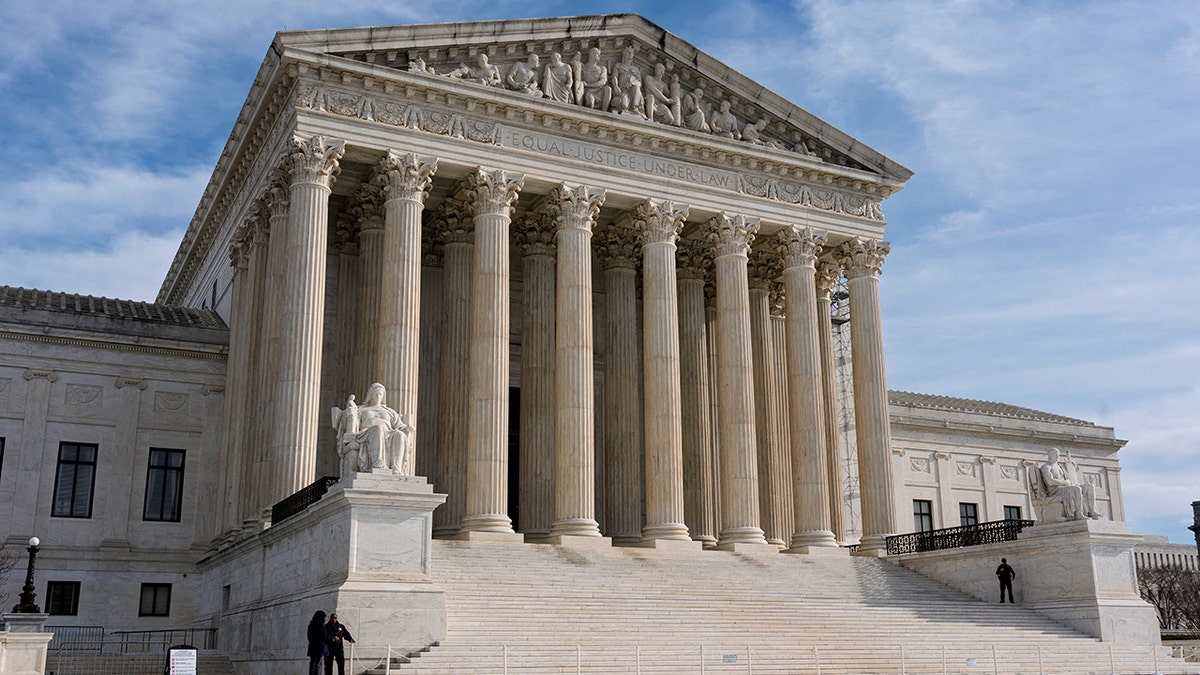
Supreme Court Upholds State Bans on Transgender Athletes in Women's Sports
The Supreme Court ruled state laws in Idaho and West Virginia barring transgender women from women's sports do not violate Title IX.
The U.S. Supreme Court has affirmed state laws in Idaho and West Virginia that reserve women's sports for biological females, ruling that these measures do not violate Title IX. The decision, delivered on Monday, allows states to define participation in women's sports based on biological sex.
This ruling has significant implications for transgender athletes and the ongoing debate surrounding inclusivity in sports. Title IX, a federal law prohibiting sex-based discrimination in education, has been a central point of contention in these cases, with proponents of the state laws arguing they protect fair competition for cisgender women, while opponents contend they are discriminatory.
The Supreme Court's decision means that the legal challenges against such state-level bans will likely continue, with the focus shifting to whether specific bans are overly broad or if alternative accommodations can be made. The court did not issue a broad ruling on Title IX's application to transgender athletes nationwide but upheld the specific state laws in question.
Advocates for the state laws, including former University of Kentucky swimmer Riley Gaines, have praised the decision as a victory for women's sports. They argue that allowing biological males to compete in women's categories creates an unfair competitive imbalance due to physiological differences.
Conversely, civil rights organizations and LGBTQ+ advocates have expressed disappointment, stating the ruling marginalizes transgender individuals and undermines efforts to create inclusive environments. They argue that such bans are discriminatory and do not reflect a nuanced understanding of gender identity and athletic participation.
The legal landscape surrounding transgender athletes in sports remains complex and varied across different states. While this Supreme Court decision provides clarity for Idaho and West Virginia, other states have enacted or are considering different approaches, leading to a patchwork of regulations.
This outcome is expected to embolden lawmakers in other conservative-leaning states to pursue similar legislation. Meanwhile, legal battles may now focus on how Title IX is interpreted in other contexts, such as access to facilities or other educational programs, and whether future cases will lead to a more comprehensive national standard.
Questions remain about how these state laws will be implemented in practice, particularly regarding enforcement and potential appeals. The debate over fairness, inclusion, and biological differences in sports is likely to persist, with future legal and legislative actions anticipated.
This article was written by AI based on publicly available news reporting. Original reporting by the linked source.