Sweden's Election: Far-Right Party Poised for Government After Tight Vote
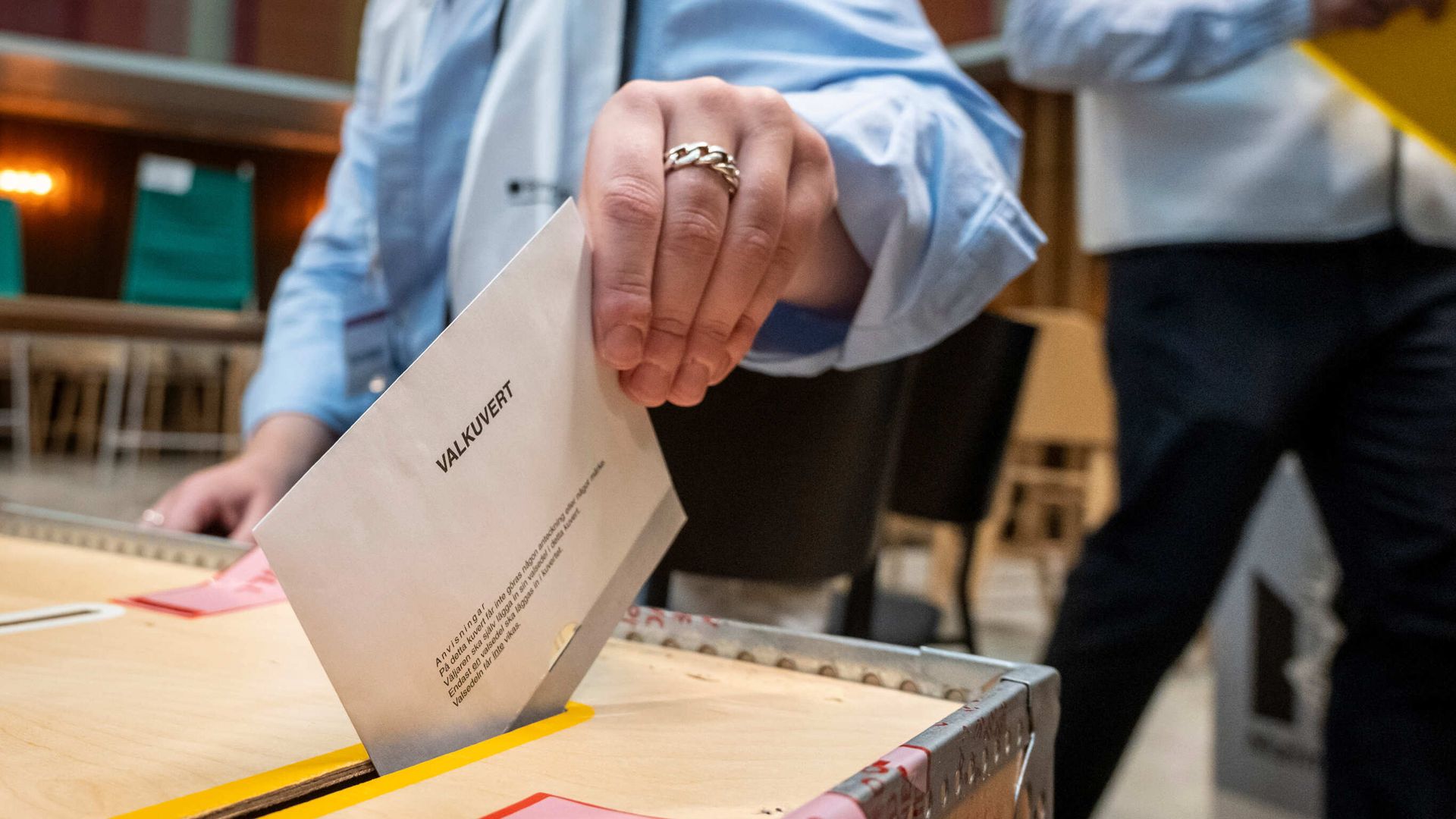
Swedish voters cast ballots in a closely watched election that could mark the first time the far-right Sweden Democrats enter government.
Swedish citizens have cast their votes in a general election that could see the far-right Sweden Democrats (SD) party enter government for the first time in the country's history. The election has been marked by a tight race, with the outcome potentially shifting the nation's political landscape significantly.
The Sweden Democrats, which was founded by neo-Nazis and has faced accusations of racism, has seen a steady rise in support over the past two decades. Its platform focuses on stricter immigration policies, a tough stance on crime, and a nationalist agenda. The party's potential inclusion in a government coalition represents a major departure from Sweden's traditional political consensus, which has long prioritized inclusivity and a liberal approach to migration.
Initial projections and polling data suggest a very close contest between the two main blocs: the center-left coalition led by the incumbent Social Democrats and the center-right bloc, which includes the Moderates, Christian Democrats, and the Sweden Democrats. The Sweden Democrats are expected to be a key player in forming any potential right-leaning government, even if they do not secure the largest share of votes themselves. This shift reflects a broader trend seen in many European countries, where nationalist and anti-immigration parties have gained traction.
The implications of the Sweden Democrats entering government are far-reaching. It could lead to significant policy changes, particularly concerning immigration, integration, and law and order. The move also challenges Sweden's international image as a progressive and humanitarian nation. Analysts suggest that such a coalition would likely face considerable scrutiny both domestically and internationally, with potential impacts on the country's social cohesion and foreign policy.
For years, the mainstream right-wing parties in Sweden had refused to cooperate with the Sweden Democrats, viewing them as too extreme. However, as the SD's popularity grew, this stance began to soften, driven by the need to form stable governing majorities. The party has worked to rebrand itself, distancing itself from its extremist origins and presenting a more palatable image to a broader electorate.
Prime Minister Magdalena Andersson of the Social Democrats, who has led the country since November 2021, has campaigned on issues of healthcare, climate change, and maintaining the welfare state. Her party has historically been the dominant force in Swedish politics but has faced increasing challenges from both the left and the right.
The center-right bloc, often referred to as the "right-wing alliance," has been negotiating potential government formations. The Sweden Democrats' increased electoral weight means that any government formed by this bloc would likely need their support, either through a formal coalition or a parliamentary agreement.
The final results will determine the composition of the Riksdag (parliament) and the path forward for Sweden. The outcome is being closely watched as a barometer for political shifts across Europe and a test of Sweden's ability to navigate a changing ideological landscape.
This article was written by AI based on publicly available news reporting. Original reporting by the linked source.