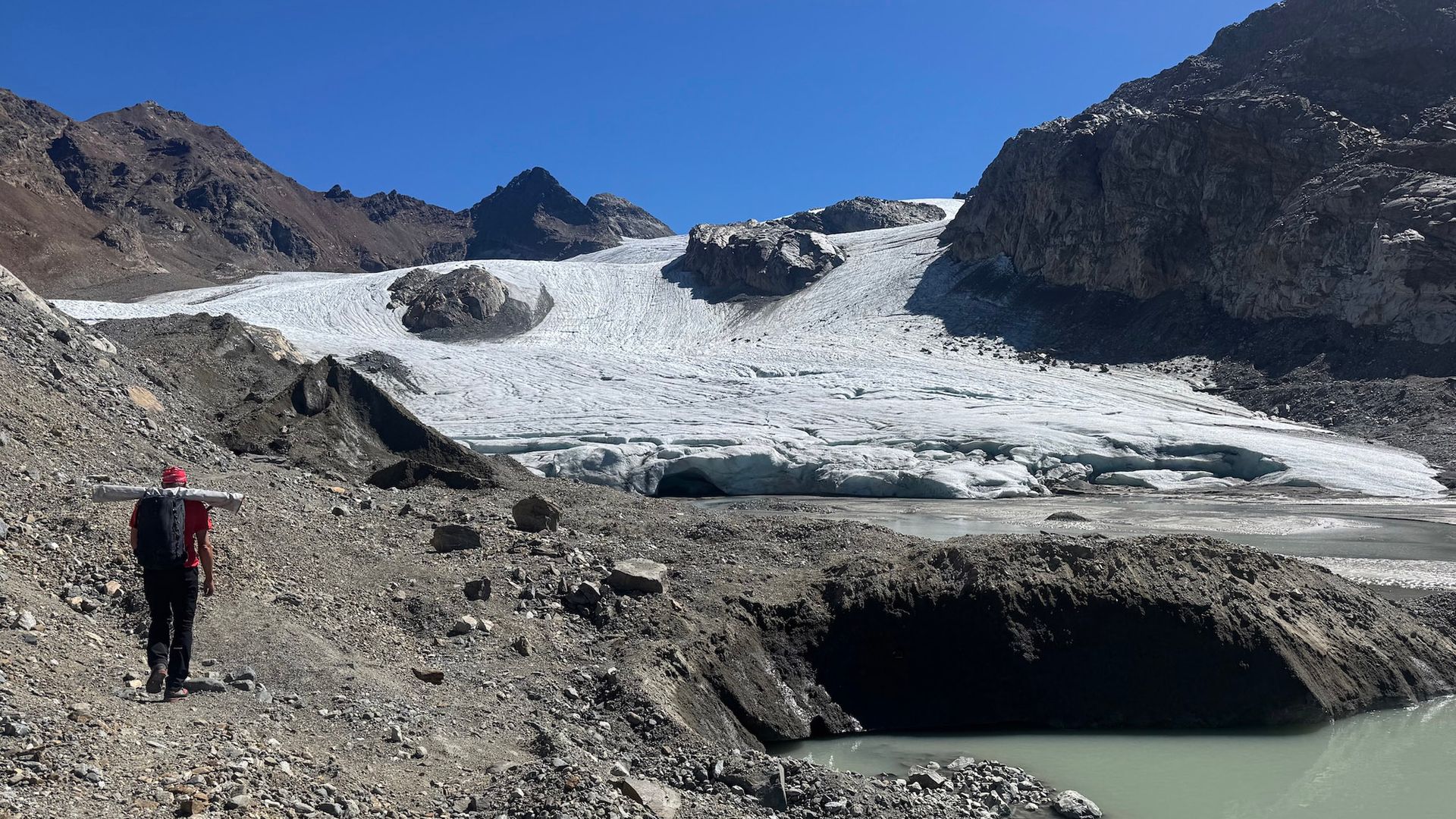
Swiss Glaciers Lose 5% of Ice in 2026 Due to Record Heatwaves
Swiss glaciers experienced a devastating year in 2026, losing 5.5% of their ice volume due to intense heatwaves and minimal snowfall.
Glaciers across Switzerland have experienced a significant and alarming loss of ice volume, shedding approximately 5.5% of their total mass in 2026. This drastic reduction is attributed to a year characterized by exceptionally high temperatures and a severe lack of snowfall, leading researchers to describe it as a 'devastating year' for the country's frozen landscapes.
The dramatic melting underscores the accelerating impact of climate change on alpine environments. Glaciers act as crucial freshwater reservoirs and indicators of climate health, and their rapid decline signals potential long-term consequences for water availability, ecosystems, and the tourism industry in mountainous regions.
According to a recent study analyzing the ice loss, the combination of prolonged heatwaves throughout the summer months and insufficient snow accumulation during the preceding winter created a perfect storm for accelerated glacial melt. The study highlights that this rate of loss is significantly higher than average annual melt rates observed in recent decades, pointing to an intensifying trend.
This substantial ice loss has immediate implications for Switzerland's water resources, particularly during dry summer months when glacial meltwater contributes significantly to river flows. Experts warn that continued shrinking of glaciers could lead to water scarcity in downstream communities and negatively affect agricultural productivity. Furthermore, the receding ice could impact the stability of mountain slopes and increase the risk of natural hazards like rockfalls and landslides.
The year 2026 follows a pattern of consistent glacial retreat observed over the past several decades. Scientific bodies monitoring the Swiss glaciers have repeatedly documented shrinking ice volumes, but the scale of loss this year has drawn particular concern. These frozen giants, some of which have existed for millennia, are now diminishing at an unprecedented pace.
Environmental organizations and climate scientists have reiterated calls for urgent action to curb greenhouse gas emissions, emphasizing that the current trajectory of global warming is directly fueling such extreme melt events. They point to international climate agreements and national policies as critical tools that need to be strengthened and more rigorously implemented to mitigate further damage.
Local communities and businesses reliant on glaciers, including ski resorts and mountaineering operators, are beginning to grapple with the long-term viability of their operations. The changing landscape poses significant challenges, forcing them to adapt to new environmental realities and potentially diversify their offerings away from snow-dependent activities.
Questions remain about the precise long-term effects on biodiversity and the future of high-alpine ecosystems. Scientists will continue to monitor the glaciers closely, gathering data to better understand the complex interactions between climate change, glacial dynamics, and the broader mountain environment.
This article was written by AI based on publicly available news reporting. Original reporting by the linked source.