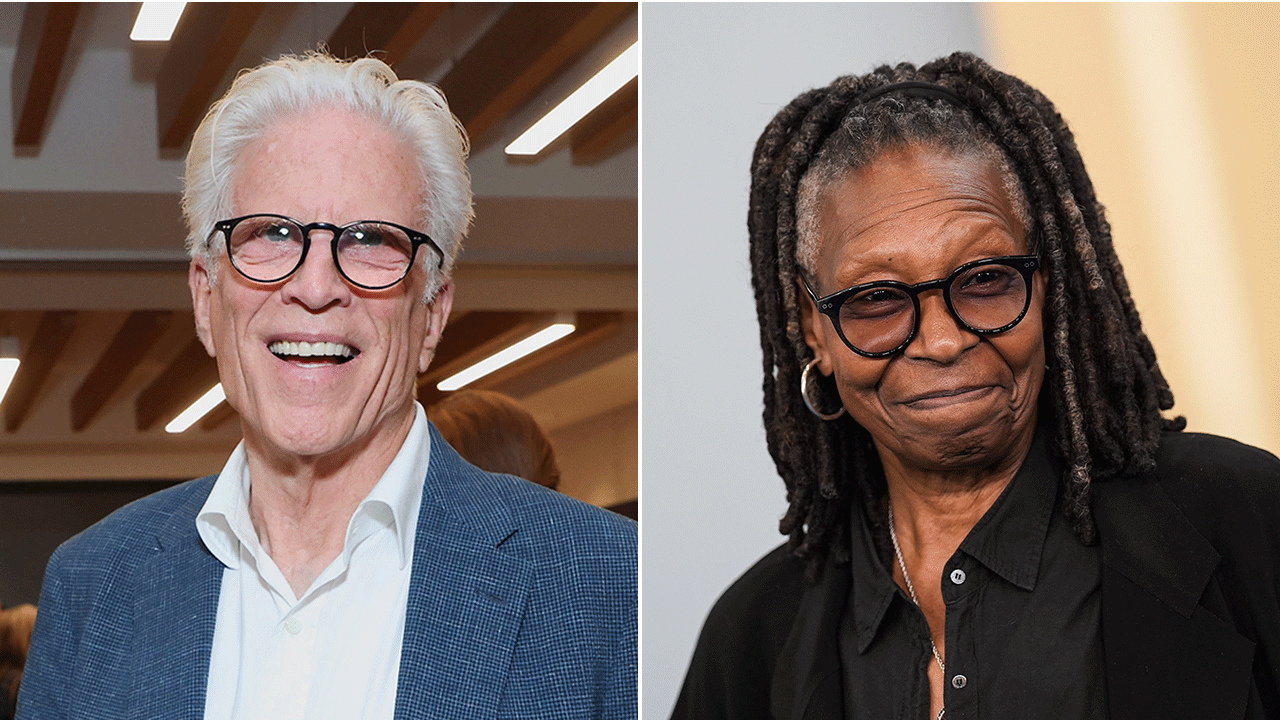
Ted Danson regrets blackface at Whoopi Goldberg roast, calls for 'forever apology'
Ted Danson expressed deep remorse for his 1993 blackface performance at a roast for Whoopi Goldberg, calling it a "terrible mistake."
Actor Ted Danson has publicly apologized for a blackface performance he gave at a 1993 roast honoring comedian Whoopi Goldberg, stating he wishes he could "apologize forever" for the incident.
Danson, reflecting on the event decades later, described the performance as a "terrible mistake" and a regrettable lapse in judgment. The appearance occurred during a Friars Club roast where Danson, in an attempt at humor, donned blackface makeup and a wig, performing in character as a character from the film "Gone with the Wind."
At the time, Goldberg herself was reportedly present and, according to some accounts, found the performance acceptable. However, the act later drew criticism as societal understanding of racial insensitivity evolved. Danson has previously acknowledged the controversy, and his recent remarks reiterate his enduring regret.
The incident resurfaced in public discourse periodically, with critics arguing that such performances, regardless of intent or audience reaction at the time, perpetuate harmful stereotypes and are unacceptable.
Danson's career spans decades, with notable roles in "Cheers," "The Good Place," and "CSI." His extensive work in Hollywood has often been critically acclaimed, but the blackface incident remains a significant point of contention in his public image.
In his latest comments, Danson emphasized that he understood the performance was wrong and that the passage of time has only deepened his awareness of its offensive nature. He conveyed a desire to address the harm caused by his actions, even if a complete absolution feels unattainable.
This public apology comes at a time when discussions surrounding historical racial insensitivity in entertainment continue to be prominent. Many public figures have faced scrutiny for past actions or statements that are now viewed through a more critical lens.
Danson's continued expressions of remorse highlight the ongoing process of reckoning with past cultural norms and the evolving standards of public discourse regarding race and representation in media. The actor's wish for a "forever apology" underscores the lasting impact of such incidents and the complexities of addressing them years later.
This article was written by AI based on publicly available news reporting. Original reporting by the linked source.