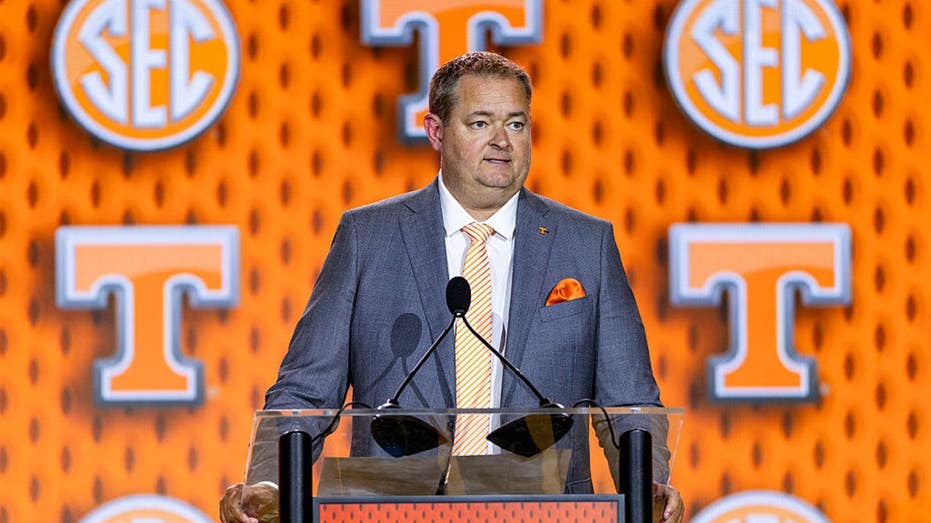
Tennessee Coach Slams NCAA 'Bulls–t' Over Outdated Rule Suspension
Tennessee coach Josh Heupel called the NCAA's suspension of linebacker Arion Carter 'bulls–t' due to an outdated rule.
Tennessee head coach Josh Heupel has sharply criticized the NCAA's decision to suspend star linebacker Arion Carter for the first two games of the upcoming season. Heupel labeled the ruling as "bulls–t" and attributed the suspension to an "completely outdated" rule.
The suspension stems from an incident involving a plane ticket, which Heupel believes is a trivial matter in the current landscape of college athletics. The NCAA's decision has ignited a debate about the relevance and application of its long-standing regulations in the era of Name, Image, and Likeness (NIL) deals.
Heupel expressed his frustration, suggesting that the NCAA's enforcement mechanisms are out of touch with the realities faced by student-athletes and programs today. The coach indicated that the situation is particularly galling given the perceived minor nature of the infraction and its archaic basis.
The implications of this suspension extend beyond just Carter's availability for the initial games. It highlights a growing tension between the NCAA's traditional rulebook and the evolving financial and promotional opportunities available to college athletes. This incident could further fuel calls for reform within the NCAA's governance structure.
While the specifics of the NCAA's ruling were not fully detailed in the initial reports, the context provided by Coach Heupel points towards a violation of rules that were established before the widespread adoption of NIL. This raises questions about how the NCAA intends to adapt its enforcement policies to the new realities of college sports.
Carter, a key player for the Volunteers, will miss crucial early-season matchups. His absence is a significant blow to the team's defensive efforts and overall strategy for the start of the season. The team will need to adjust its lineup and game plan to compensate for the loss of their prominent linebacker.
This controversy is the latest in a series of challenges facing the NCAA as it navigates the complex and rapidly changing world of college athletics. The organization has faced increasing pressure to modernize its rules and enforcement procedures to better reflect the current environment.
Further details regarding the specific NCAA regulation Carter was found to have violated are anticipated, along with potential responses from the NCAA itself. The incident is likely to remain a talking point as the college football season approaches, underscoring the ongoing discussions about fairness and relevance in collegiate sports governance.
This article was written by AI based on publicly available news reporting. Original reporting by the linked source.