Tennessee Fans Spent $1.3 Million on Alcohol Before Game Attended by President
Tennessee Volunteers fans consumed $1.3 million in alcohol during a game attended by the president, with sales starting early due to security.
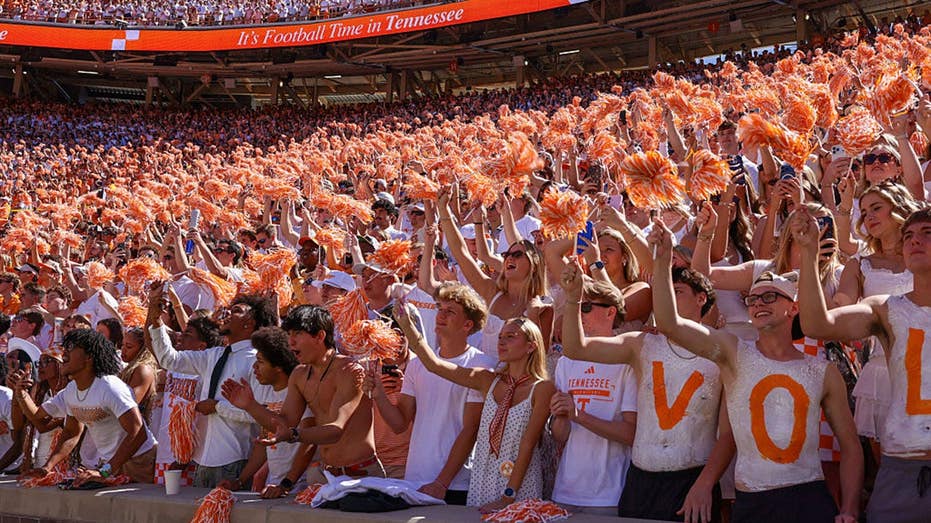
Tennessee Volunteers fans demonstrated significant enthusiasm for alcohol consumption at a recent game, spending an estimated $1.3 million on beverages before and during the event. The game, which also saw the attendance of the president, experienced an early opening of stadium gates at 9:02 a.m. to accommodate presidential security measures. This early access allowed fans to begin purchasing alcohol well before the official start time.
The massive expenditure on alcohol highlights the passionate, and sometimes extravagant, fan culture surrounding college football, particularly at major programs like the University of Tennessee. The influx of fans eager to imbibe before the highly anticipated matchup contributed to the substantial sales figures, underscoring the economic impact of game-day events on stadium concessions.
Reports indicate that the first beer sales commenced shortly after the gates opened, setting a precedent for the day's consumption. The presence of the president added a layer of prestige and security to the event, though it did not appear to dampen the fan base's typical game-day traditions. The atmosphere was described as lively, with fans gathering in large numbers to support their team.
The substantial spending on alcohol raises questions about fan behavior and the management of concessions at large-scale sporting events. While robust sales are often seen as a positive indicator for event revenue, the sheer volume consumed before and during a single game prompts consideration of responsible consumption and event logistics.
This level of spending is not unprecedented for major college football events, which often draw tens of thousands of spectators. Stadiums typically offer a wide array of alcoholic beverages, catering to fan demand throughout the day. The economic activity generated by such sales is a significant component of the overall revenue for athletic departments and stadium operators.
Further analysis of concession sales data from similar high-profile games could provide broader context for this figure. Understanding the average per-fan spending on alcohol at major sporting events would help determine if the Tennessee game represented a significant outlier or was in line with expectations for such a high-stakes matchup.
Officials at the stadium and the university have not yet released official statements regarding the alcohol sales figures. However, the reported $1.3 million figure suggests a highly successful day for concession vendors, reflecting both the fan base's dedication and the substantial market for game-day refreshments.
The event's success in terms of fan engagement and concession revenue, despite the logistical considerations of presidential attendance, underscores the enduring appeal of college football as a major entertainment and economic driver.
This article was written by AI based on publicly available news reporting. Original reporting by the linked source.