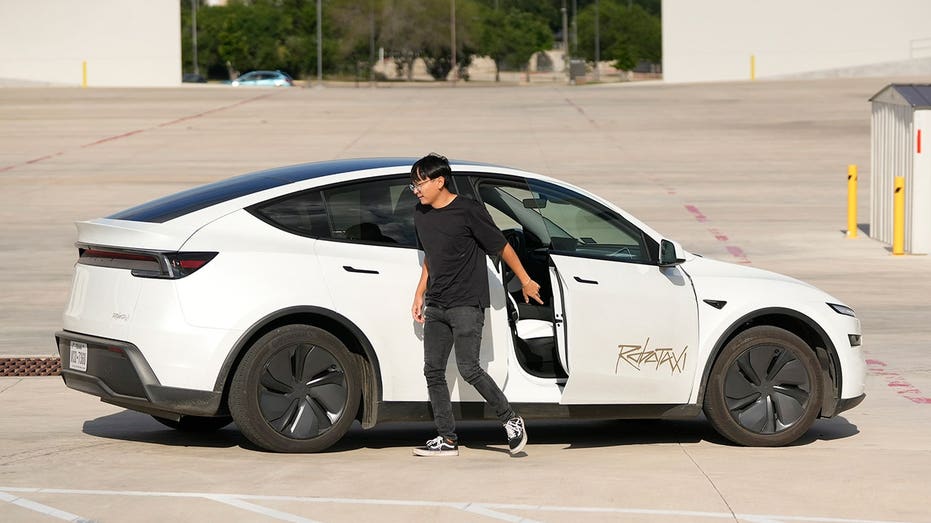
Tesla Robotaxi Launches in Miami, But Only Serves Three Small Cities
Tesla's Robotaxi service has launched in Miami, but its operational area is restricted to West Miami, Doral, and Sweetwater.
Tesla's long-anticipated Robotaxi service has officially begun operations in Miami, Florida, marking a significant step in the company's autonomous driving ambitions. However, the initial rollout comes with considerable limitations, restricting the service's geofence to a small, specific area.
The current operational zone for the Robotaxi service encompasses only the cities of West Miami, Doral, and Sweetwater. This limited deployment means that the vast majority of Miami-Dade County, including popular tourist destinations, major business centers, and densely populated residential areas, remains outside the service's reach.
This restricted geofence raises questions about the practicality and immediate impact of the Robotaxi service for a wider range of potential users. While the launch signifies progress in autonomous vehicle technology, the confined service area may limit its adoption and utility in the near term. Details regarding the specific reasons for this limited geofence have not been extensively elaborated upon by Tesla.
The implications of this phased rollout are significant for the future of autonomous ride-sharing. By starting in a controlled environment, Tesla can gather crucial data and refine its systems before expanding to more complex urban landscapes. This approach is common in the development of new transportation technologies, allowing for safety and reliability testing.
Industry observers have noted that the limited geofence is a common strategy for autonomous vehicle companies during their initial launch phases. This allows for controlled testing in areas with predictable traffic patterns and infrastructure, minimizing potential risks. Companies often expand their operational zones incrementally as they gain confidence in the technology's performance and navigate regulatory approvals.
Tesla has been a prominent player in the development of autonomous driving technology, with its Autopilot and Full Self-Driving (FSD) capabilities being subjects of intense scrutiny and development. The Robotaxi service is seen as the culmination of years of investment and research in this field, aiming to disrupt the traditional ride-hailing market.
While the current service area is limited, the launch in Miami is a clear signal of Tesla's commitment to bringing its autonomous taxi service to market. The company's strategy will likely involve a gradual expansion of the geofence as the technology proves itself and regulatory frameworks evolve to accommodate such services.
Further details are expected to emerge regarding Tesla's timeline for expanding the Robotaxi service's operational area and the specific metrics or milestones that will trigger such expansions. The success of this initial phase in West Miami, Doral, and Sweetwater will be closely watched by competitors and consumers alike.
This article was written by AI based on publicly available news reporting. Original reporting by the linked source.