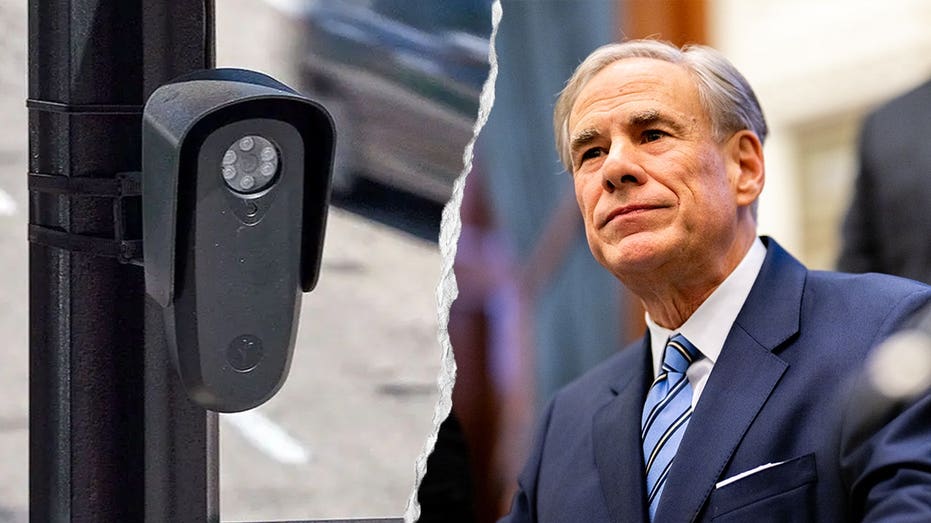
Texas Gov. Abbott Halts State Funding for AI Flock Cameras Over Privacy
Texas Governor Greg Abbott has ordered a pause on state funding for AI-powered Flock cameras due to privacy concerns.
Texas Governor Greg Abbott has directed state agencies to halt funding for Artificial Intelligence-powered Flock cameras following growing privacy concerns. The directive impacts the use of the surveillance technology across the state, which has become a significant tool for law enforcement in identifying vehicles and tracking potential criminal activity.
The decision comes amid increasing scrutiny of the data collection practices associated with these advanced surveillance systems. Flock Safety cameras capture images of license plates and vehicle occupants, storing this data for law enforcement use. Critics have raised alarms about the potential for misuse, data breaches, and the creation of pervasive surveillance networks that could infringe upon citizens' privacy rights.
While the exact amount of state funding allocated to Flock cameras was not specified, the governor's order signals a significant shift in the state's approach to leveraging AI for public safety. The move is expected to prompt a review of existing contracts and future procurements of similar technologies by state and local entities.
The implications of Abbott's decision extend beyond immediate funding. It may encourage other states and municipalities to re-evaluate their own reliance on Flock cameras and similar AI-driven surveillance tools. The debate highlights the ongoing tension between enhancing public safety through technology and safeguarding individual privacy.
Flock Safety systems have been widely adopted by police departments nationwide, including in Texas, for their ability to help solve crimes by identifying vehicles involved in incidents. The cameras operate by scanning license plates and, in some instances, capturing images of vehicle occupants. This data can be cross-referenced with watchlists and used to track vehicles' movements.
Privacy advocates have argued that the vast amount of data collected by these cameras, including location and time stamps, could create detailed profiles of individuals' movements and associations. Concerns have also been raised about who has access to this data, how long it is retained, and the security measures in place to protect it from unauthorized access or breaches.
This pause in funding by Governor Abbott is likely to intensify public discourse on the balance between security and civil liberties in the age of advanced surveillance. It could also lead to the development of new regulations or guidelines governing the use of AI-powered surveillance technologies by government agencies.
As Texas reviews its use of Flock cameras, other jurisdictions may watch closely to see how the state navigates these complex issues. The ultimate outcome could influence the future deployment and oversight of such technologies across the country.
This article was written by AI based on publicly available news reporting. Original reporting by the linked source.