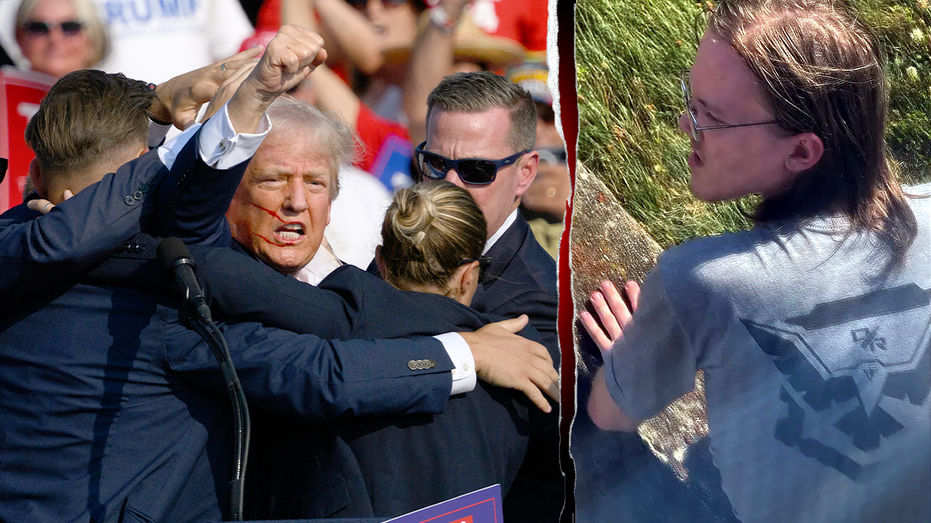
Thomas Crooks showed 'red flags' before Trump rally attack, ex-FBI agent says
Former FBI agent reveals Thomas Crooks displayed concerning behavior prior to the attempted assassination at a Donald Trump rally.
Former FBI agent Peter Strzok has stated that Thomas Crooks, the individual who attempted to assassinate Donald Trump at a rally, exhibited "red flags" in the period leading up to the attack. These behaviors, according to Strzok, were indicative of a person in distress and potentially dangerous.
The revelation comes from an analysis of FBI documents concerning Crooks, which detail his deteriorating mental state and concerning actions. The attempted assassination occurred at a political rally, highlighting the potential for extremist actions to manifest around public political events. The source material does not specify the exact date or location of the rally.
According to the information, Crooks was reportedly "spiraling" before the incident. While specific details of his actions are not fully elaborated, the implication is that these were observable behaviors that might have suggested a risk to himself or others. Strzok's commentary suggests that such indicators were present and potentially missed or not acted upon with sufficient urgency.
The implications of these findings are significant for security protocols surrounding political events and public figures. The presence of "red flags" suggests that there may be opportunities to identify and intervene with individuals exhibiting concerning behaviors before they escalate to violence.
This analysis by a former FBI agent, familiar with investigations into threats and extremism, adds weight to the idea that Crooks's actions were not entirely out of the blue. The FBI documents, as referenced, likely contain details about his communications, online activity, or interactions that pointed towards his state of mind.
While the source material does not provide a comprehensive timeline of Crooks's descent, the framing by Strzok implies a pattern of behavior that warranted attention. This raises questions about the effectiveness of existing threat assessment mechanisms and the information-sharing protocols between various agencies.
Further examination of the FBI documents could shed light on the specific nature of the "red flags" and whether they were reported to authorities. Understanding these details is crucial for improving future security measures and preventing similar incidents.
The attempted assassination serves as a stark reminder of the threats faced by public figures and the challenges in predicting and preventing acts of politically motivated violence.
This article was written by AI based on publicly available news reporting. Original reporting by the linked source.