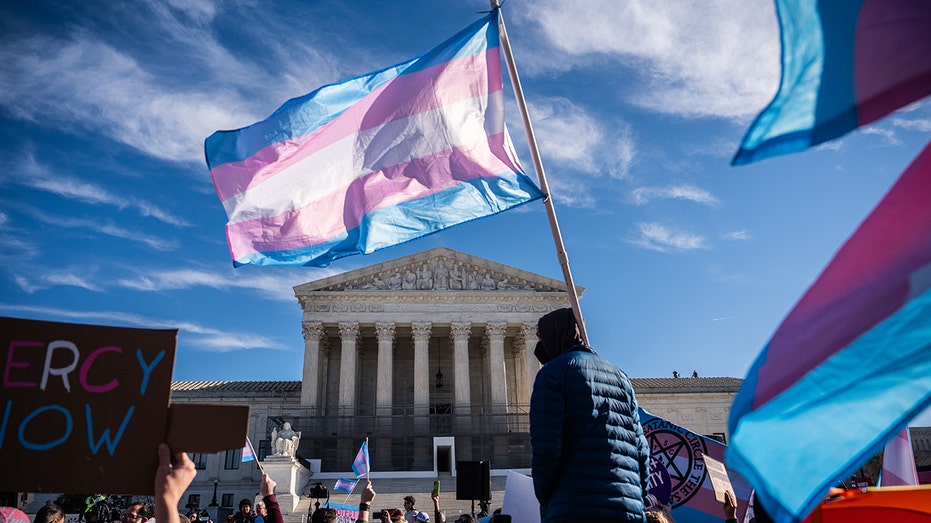
Trans Athlete Wins State Title Amidst SCOTUS Title IX Case
A transgender athlete, central to a Supreme Court Title IX case, secured a girls' state track and field championship, winning the shot put event.
A transgender athlete, who is at the center of a Supreme Court case concerning Title IX, has won the girls' state track and field championship in West Virginia. The athlete secured the victory in the shot put event, winning by a margin of over two feet.
The case highlights ongoing debates surrounding the participation of transgender athletes in women's sports and the interpretation of Title IX, the federal law prohibiting sex-based discrimination in education. The Supreme Court's consideration of this matter could set a significant precedent for how such policies are applied nationwide.
The American Civil Liberties Union (ACLU) has been involved in advocating for the athlete's inclusion, arguing that biological males do not possess a competitive advantage. This argument is now being tested in the context of competitive athletic performance at the state level.
This victory comes as legal and public discourse continues to intensify around the issue of transgender athletes in sports. The outcome of the Supreme Court case is anticipated to have far-reaching implications for athletic associations, schools, and the broader landscape of gender inclusion in competitive sports.
Supporters of the athlete's participation emphasize inclusivity and the importance of allowing transgender individuals to compete in accordance with their gender identity. They argue that excluding transgender athletes can cause significant harm and goes against principles of fairness and equal opportunity.
Conversely, opponents of transgender participation in women's sports often raise concerns about competitive fairness, citing perceived biological advantages. These concerns have fueled legislative efforts in various states to restrict transgender athletes' participation based on sex assigned at birth.
The specific details of the Supreme Court case and its potential ruling remain a subject of intense scrutiny. Legal experts are closely watching to see how the court will balance the rights of transgender individuals with the objectives of protecting women's sports.
The win at the state championship adds a tangible, real-world development to the legal and policy discussions, underscoring the immediate impact of these debates on student-athletes.
This article was written by AI based on publicly available news reporting. Original reporting by the linked source.