Trump Accused of 'Bogus' Election Claims in Primetime Address
Donald Trump's address to the nation was criticized for containing "totally bogus" claims of 2020 election interference.
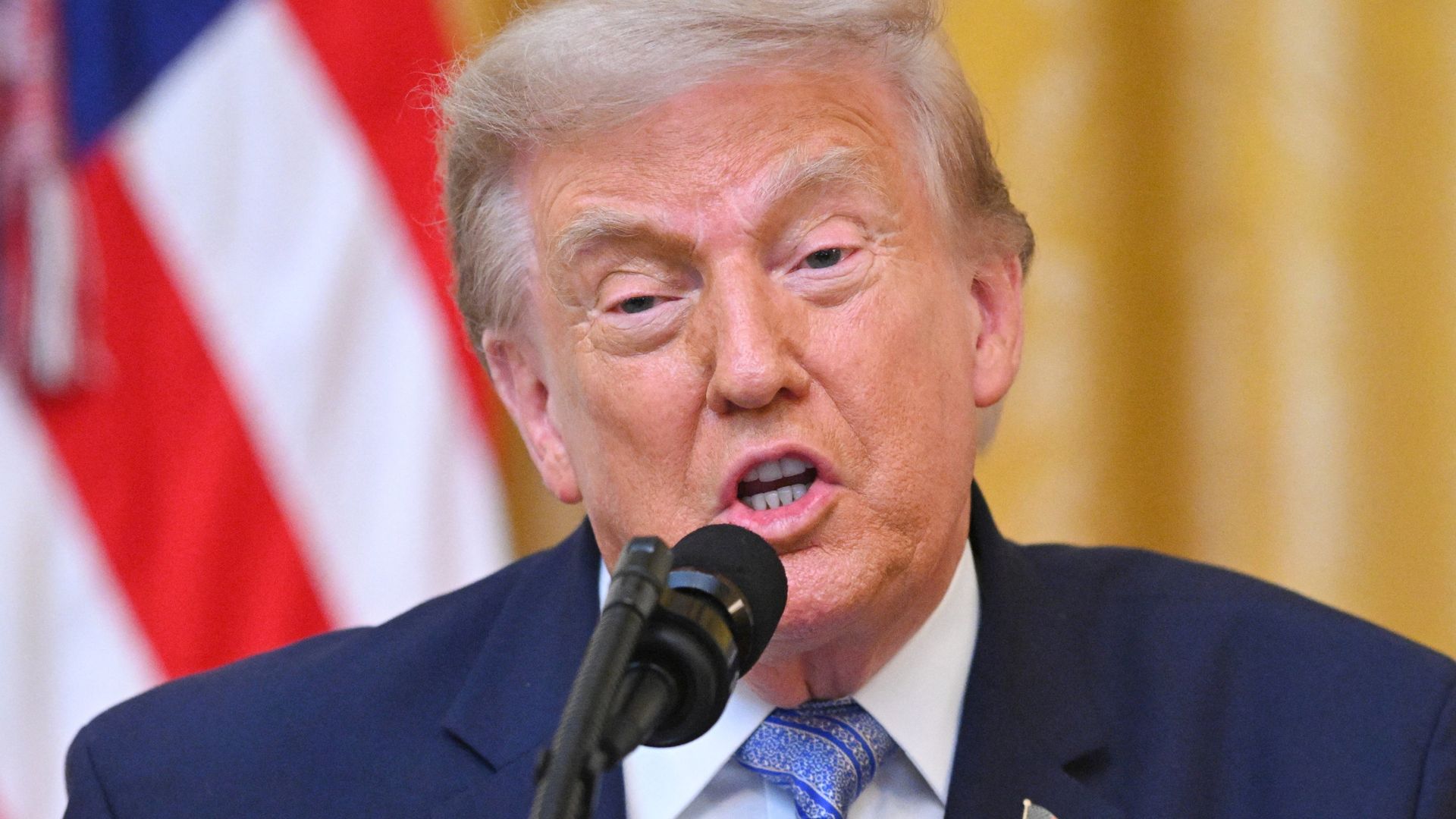
Donald Trump has been accused of disseminating "totally bogus" claims of interference in the 2020 US election during a recent primetime address to the nation.
The accusations emerged following the former president's speech, which aimed to address ongoing concerns about the integrity of past electoral processes. Critics have stated that the claims made during the address lacked substantiation and contributed to a broader narrative of election denial.
During his address, Trump reportedly reiterated allegations of widespread irregularities and manipulation during the 2020 presidential election. These assertions have been consistently challenged by election officials, courts, and independent reviews, which have found no evidence of fraud sufficient to alter the election outcome.
The use of a primetime address for these claims has drawn particular attention, with many observers noting the platform's reach and potential impact on public perception. Political analysts suggest that such statements, delivered to a wide audience, can further polarize public opinion and undermine confidence in democratic institutions.
This incident is part of a larger pattern of claims made by Trump and his allies regarding the 2020 election. Despite numerous legal challenges failing and recounts confirming the results, the narrative of a "stolen" election has persisted among a segment of the electorate.
Election integrity advocates have expressed concern that such rhetoric, especially when delivered from a prominent platform, can have lasting consequences. They emphasize the importance of factual reporting and evidence-based discussions when addressing electoral processes to maintain public trust.
Further scrutiny is expected regarding the specific claims made in the address and the evidence, if any, that supports them. The ongoing debate highlights the challenges in reconciling differing perspectives on election outcomes and the role of public discourse in shaping these views.
Questions remain about the long-term effects of such pronouncements on voter confidence and the political landscape. The continued emphasis on unsubstantiated claims of electoral fraud poses a significant challenge for those seeking to foster consensus and unity.
This article was written by AI based on publicly available news reporting. Original reporting by the linked source.