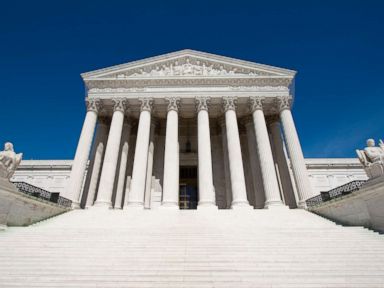
Trump administration asks Supreme Court to fire 29 transgender troops immediately
The Trump administration is appealing to the Supreme Court to immediately remove 29 transgender service members before their case is heard.
The Trump administration has filed an urgent appeal with the Supreme Court, seeking the immediate removal of 29 active-duty service members who are transgender. The administration argues this is a matter of exceptional importance, even before the service members' case challenging the Pentagon's ban on transgender individuals goes to trial in January.
Several lower courts have previously found that the ban was likely based on animus and violates service members' constitutional rights to due process and equal protection. However, the government strongly disputes these conclusions.
Solicitor General John Sauer, representing the government, described the lower court ruling allowing these specific plaintiffs to remain in their positions as "gravely erroneous." He asserted that the military's authority to determine who serves in its ranks is paramount and argued that the Supreme Court should review the constitutionality of the Department of Defense policy.
The Supreme Court will consider in the fall whether to hear the case at this early stage, before a final decision is reached by a lower court. Currently, the 29 plaintiffs, who include active-duty personnel, reservists, National Guard members, and an individual seeking to enlist, remain in their positions.
Attorneys representing the transgender service members highlighted that these individuals are qualified and meet all military standards. They criticized the potential dismissal of highly trained troops, suggesting it would be a waste of taxpayer money and driven by "hostility and this administration’s political whims."
Last year, the Supreme Court had granted the administration permission to broadly implement a ban on service members with a history of gender dysphoria. This new appeal targets a specific group of individuals who successfully challenged the policy in a separate case, U.S. v. Talbott.
The administration's petition emphasizes that the issue of the military's authority in setting service standards is a recurring one that warrants the Court's review to provide definitive guidance and resolve ongoing disputes.
If the Supreme Court agrees to hear the case, it could set a precedent for how such policies are applied and reviewed in the future, impacting a broader range of service members and potential recruits.
This article was written by AI based on publicly available news reporting. Original reporting by the linked source.