Trump Administration Proposal Could Cut 6 Million From Food Assistance
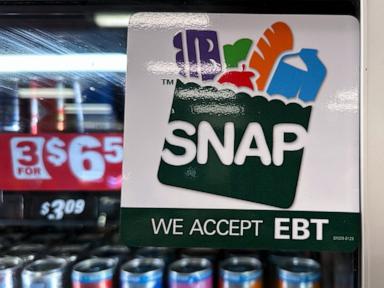
A proposed rule by the U.S. Department of Agriculture could remove over 6 million people from SNAP benefits.
The Trump administration on Tuesday proposed new rules that could remove millions of Americans from the Supplemental Nutrition Assistance Program (SNAP), commonly known as food stamps, and other government assistance programs. The U.S. Department of Agriculture (USDA) released a proposed rule that aims to significantly alter eligibility requirements for families receiving aid.
An impact analysis conducted by the USDA estimates that over 6 million individuals could lose their SNAP benefits if they do not meet new income eligibility criteria. Additionally, nearly 2 million children could be eliminated from receiving free school meals. These changes are part of an effort to limit a provision called broad-based categorical eligibility (BBCE).
BBCE currently allows families who receive some form of Temporary Assistance for Needy Families (TANF) to qualify for SNAP, even if their income exceeds the standard SNAP program threshold. A majority of states utilize BBCE to expand access to food assistance. The proposed rule would eliminate eligibility for SNAP for families receiving non-cash TANF support, such as childcare subsidies and employment training services.
According to the Center on Budget and Policy Priorities (CBPP), a family of three with an income above $35,500 who receives certain TANF aid could become ineligible for SNAP benefits under the proposal. Ty Jones Cox, Vice President for Food Assistance at CBPP, highlighted that this would affect families with children during a time of rising grocery costs.
The USDA's proposed rule argues that the expansion of government programs has compromised the integrity of SNAP by potentially allowing individuals who do not meet legal eligibility limits to receive benefits, thereby eroding public trust. Former USDA official Cindy Long, who previously served as Administrator for the Food and Nutrition Service, stated that the rule aims to narrow the services that qualify families for SNAP.
A spokesperson for the USDA defended the proposed changes, asserting that broad-based categorical eligibility has "bloated the welfare rolls for decades." The agency contended that this provision has allowed states to use "short cuts," leading to increased error rates and enabling individuals with incomes and assets well above federal limits to access benefits intended for the neediest.
This latest proposal follows other changes that have already impacted SNAP recipients. An estimated 5 million people were terminated from the program under the 2025 law known as the One Big Beautiful Bill. The new proposal could also affect eligibility for other nutrition assistance programs, including those for women, infants, and children (WIC).
The proposed rule is slated to take effect no earlier than 2029, allowing for a significant period for public comment and potential revisions. The broad implications of these changes raise concerns about food security for millions of vulnerable families across the nation.
This article was written by AI based on publicly available news reporting. Original reporting by the linked source.