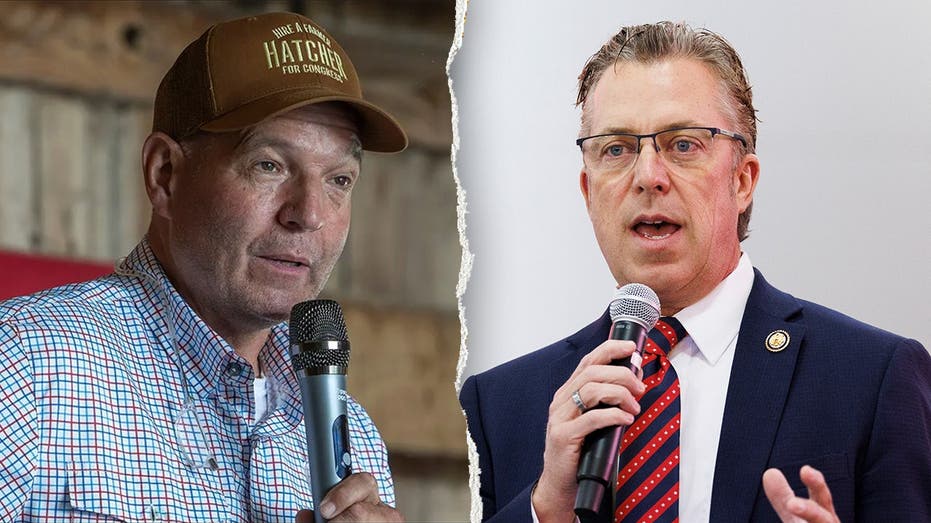
Trump-backed incumbent Andy Ogles loses Tennessee primary after Dem-funded super PAC meddled
Republican Rep. Andy Ogles, endorsed by Donald Trump, lost his Tennessee primary, a race significantly impacted by a Democratic-backed super PAC.
Republican Representative Andy Ogles, a staunch conservative and an ally of former President Donald Trump, has lost his bid for re-election in Tennessee's 5th Congressional District. The incumbent faced a challenge in the primary election, with results showing his defeat.
The race for Tennessee's 5th Congressional District has been a focal point due to external spending, particularly from a super PAC that has drawn criticism for its alleged ties to Democratic interests. This outside funding reportedly aimed to influence the outcome of the Republican primary.
Reports indicate that a significant sum of money, exceeding one million dollars, was funneled into the district's election through a super PAC. This financial intervention has been described as a strategy to meddle in the Republican primary, potentially by boosting certain candidates or attacking others, thereby shaping the field.
The outcome of Ogles's defeat raises questions about the influence of dark money in primary elections and the broader implications for Republican party politics in the state. It also highlights a tactic where opposing parties may seek to influence the opposing party's primaries to their advantage.
Ogles, who secured his seat in 2022, had positioned himself as a conservative voice and received endorsements from prominent Republican figures, including former President Trump. His campaign was part of a wave of conservative candidates who gained traction in recent election cycles.
The super PAC's involvement has sparked debate among political analysts about the ethics and effectiveness of such strategies. Critics argue that it undermines the democratic process by allowing undisclosed donors to sway election results and that it can lead to the selection of less electable candidates in general elections.
While the exact motivations and beneficiaries of the super PAC's spending remain a subject of scrutiny, its impact on the primary race is undeniable. The influx of funds reportedly aimed to create a specific electoral dynamic within the Republican contest.
As the dust settles on this primary result, attention will now turn to the general election and the broader implications for the Republican party's strength in Tennessee. The race serves as a case study in the complex and often opaque world of campaign finance and its role in shaping electoral outcomes.
This article was written by AI based on publicly available news reporting. Original reporting by the linked source.