Trump campaign details midterm rally strategy to boost Republican candidates
A Trump campaign insider revealed the strategy behind recent rallies, aiming to energize voters and support Republican candidates in key midterm elections.
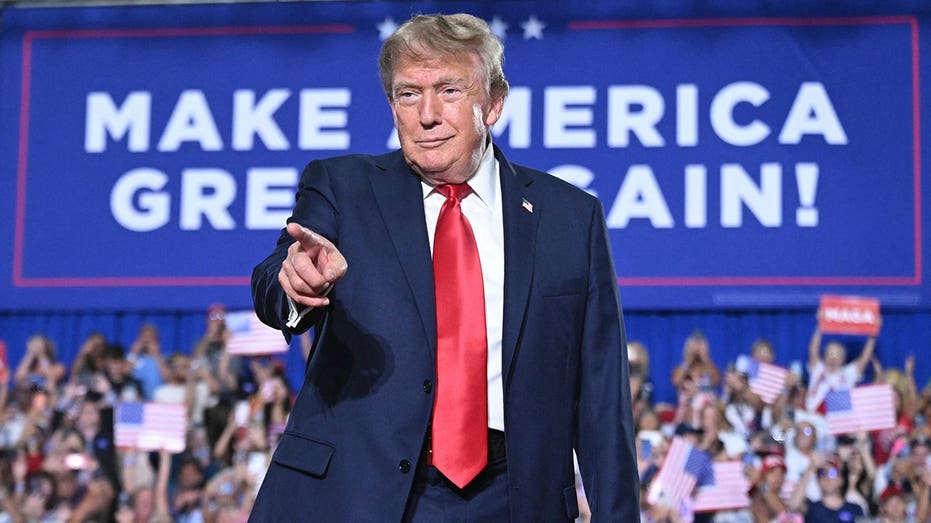
The Trump campaign has detailed its strategic approach to a series of high-profile rallies, designed to galvanize Republican voters and bolster the party's prospects in the upcoming midterm elections. The campaign believes this "blitz" of events across crucial states will significantly impact the outcomes.
This strategy is particularly focused on "red states" where President Trump retains strong support. The campaign views these rallies not just as opportunities to energize the base, but as critical tools to draw attention to key races and encourage voter turnout. The goal is to leverage Trump's popularity to lift Republican candidates, especially those in competitive Senate and House races.
According to a campaign insider, the "red state rally tour" is a deliberate effort to create momentum. The events are intended to highlight the stakes of the midterms, framing them as a referendum on the current administration and a chance to reclaim power. The campaign is reportedly focusing on issues that resonate with Trump's core supporters, aiming to translate enthusiasm into votes.
The success of this strategy hinges on its ability to energize voters who might otherwise be disengaged or complacent. The campaign hopes that President Trump's personal involvement will be enough to drive turnout and persuade undecided voters in key battleground areas. The midterm elections are seen as a crucial test of Trump's continued influence within the Republican party.
This approach echoes past campaign tactics where large rallies played a significant role in mobilizing supporters. The campaign is betting that this familiar playbook will once again prove effective in a challenging electoral environment. The emphasis on specific "red states" suggests a targeted effort to secure Senate seats and House seats deemed essential for a Republican majority.
The effectiveness of these rallies will be closely watched as election day approaches. Political analysts suggest that while Trump's endorsements can boost candidates, the broader political climate and specific local issues will also play a significant role. The campaign's focus on turnout, however, indicates a recognition of the importance of voter engagement.
Questions remain about whether this strategy can overcome potential headwinds, such as national economic concerns or shifts in voter demographics. The campaign's reliance on presidential engagement highlights a potential vulnerability if turnout among key demographics falters.
Ultimately, the campaign's success will be measured by the number of Republican victories on election night, with the rally strategy serving as a central pillar of their efforts to achieve a significant electoral comeback.
This article was written by AI based on publicly available news reporting. Original reporting by the linked source.