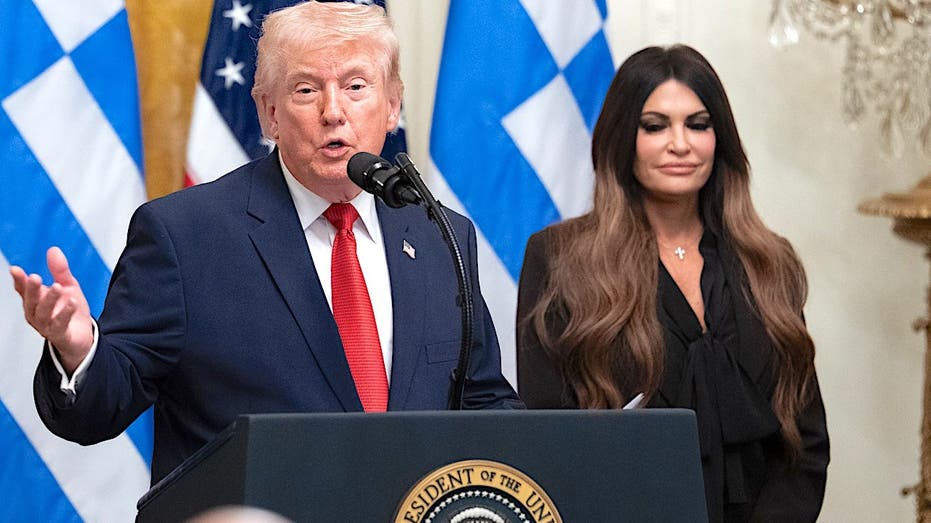
Trump Considers Firing US Ambassador to Greece Over Misconduct Claims
President Trump is reportedly considering the dismissal of the U.S. Ambassador to Greece amid allegations of misconduct, stating "We're not happy."
President Donald Trump is reportedly contemplating the removal of the United States Ambassador to Greece, Geoffrey R. Pyatt, citing unspecified allegations of misconduct. The President has expressed dissatisfaction with the situation, stating, "We're not happy," and indicated that Pyatt's position is under review.
The potential dismissal comes at a sensitive time for U.S.-Greece relations, which have seen increased cooperation in recent years, particularly concerning regional security and energy initiatives. Ambassador Pyatt, a career diplomat, has served in Athens since 2016, navigating complex geopolitical challenges in the Eastern Mediterranean.
While the specific details of the misconduct allegations remain undisclosed, sources suggest the White House has received information that has prompted the President's concern. This review of the ambassador's tenure raises questions about the administration's approach to diplomatic appointments and its tolerance for alleged impropriety within its foreign service.
The implications of a potential dismissal could extend beyond Greece, potentially signaling a broader shift in the administration's diplomatic personnel strategy. It also raises concerns about the stability of key ambassadorial posts during a period of significant global uncertainty.
Ambassador Pyatt has been a prominent figure in Greece, actively engaging with government officials and civil society. His tenure has been marked by efforts to strengthen bilateral ties, including increased defense cooperation and support for Greece's role in regional stability. The White House has not provided a timeline for its decision regarding Pyatt's future.
This situation is reminiscent of other instances where high-level diplomatic appointments have faced scrutiny or abrupt changes under the Trump administration. The President has previously shown a willingness to replace officials he deems ineffective or who have faced allegations of misconduct, often making such decisions public.
Further details are expected to emerge as the White House continues its review. The State Department has not yet commented on the matter, adhering to its policy of not discussing personnel-related issues publicly. The Greek government has also remained silent, awaiting official word from Washington.
Unresolved questions remain regarding the nature of the misconduct allegations and the process by which a final decision will be reached. The administration's handling of this situation will likely be closely watched by both domestic and international observers.
This article was written by AI based on publicly available news reporting. Original reporting by the linked source.