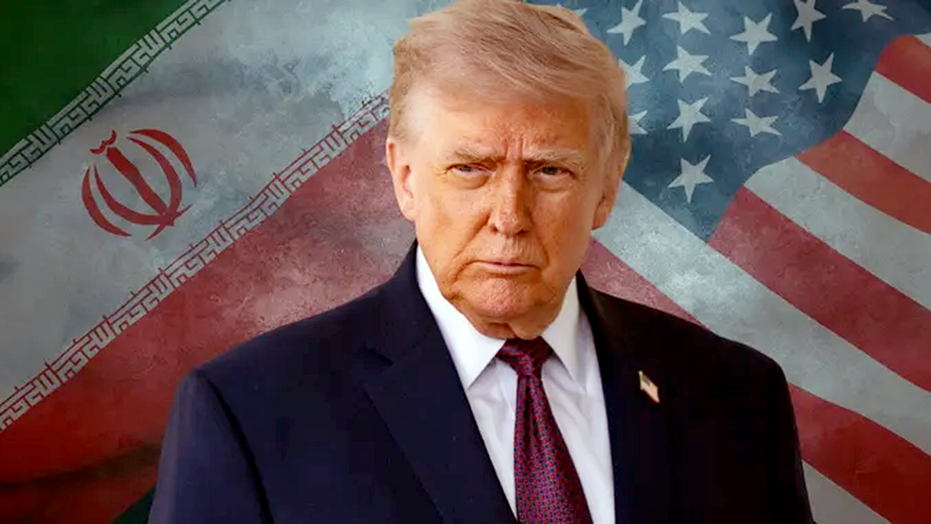
Trump Declares Iran 'Dead' Amidst Growing Global Tensions
Former President Donald Trump stated Iran is 'dead' as global concerns rise over the nation's escalating international posture.
Former President Donald Trump has declared that Iran is "dead" as global attention sharpens on the nation's increasingly assertive international activities. The statement comes amid a backdrop of heightened geopolitical tensions and ongoing discussions surrounding Iran's foreign policy and its implications for regional and global stability.
Trump's pronouncement reflects a critical perspective on Iran's current standing and its impact on the world stage. The context for his remarks includes a history of complex relations between Iran and various international powers, as well as ongoing concerns about its nuclear program and regional influence. These issues have consistently been points of contention in international diplomacy.
While specific details or immediate triggers for Trump's latest statement were not elaborated upon, his comments signal a continuation of his firm stance on Iran. This stance has often focused on economic pressure and diplomatic isolation as means to curb Iran's perceived destabilizing actions.
The implications of such strong rhetoric from a prominent former U.S. leader can be significant. It can influence international discourse, shape perceptions of Iran's geopolitical role, and potentially affect ongoing diplomatic efforts or sanctions regimes. Experts often analyze such statements for their potential to impact market sentiment or ally relations.
Historically, U.S. administrations have employed a range of policies toward Iran, from engagement to maximum pressure. Trump's previous presidency notably withdrew the U.S. from the Joint Comprehensive Plan of Action (JCPOA), commonly known as the Iran nuclear deal, and reimposed stringent sanctions. This policy shift marked a significant departure from the Obama administration's approach.
Reactions to Iran's foreign policy are diverse. Allies in the Middle East often express deep concern over Iran's ballistic missile program and its support for proxy groups. Conversely, Iran maintains that its military activities are defensive and essential for its national security, while its international partners in the JCPOA have sought to preserve the agreement despite U.S. withdrawal.
The current global landscape presents a complex environment for assessing any nation's status. Factors such as economic conditions, internal political dynamics, and international alliances all contribute to a country's perceived strength or weakness. Trump's characterization of Iran as 'dead' invites scrutiny of its economic resilience, military capabilities, and diplomatic reach.
Unresolved questions persist regarding the future trajectory of Iran's international relations, its nuclear ambitions, and the effectiveness of various international policies aimed at influencing its behavior. Future developments will likely be closely watched by global policymakers, international organizations, and the public alike.
This article was written by AI based on publicly available news reporting. Original reporting by the linked source.