Trump Declares Push for National Right-to-Carry Law
Donald Trump announced his administration is working on federal right-to-carry legislation during a Pennsylvania rally, signaling a significant shift in gun policy.
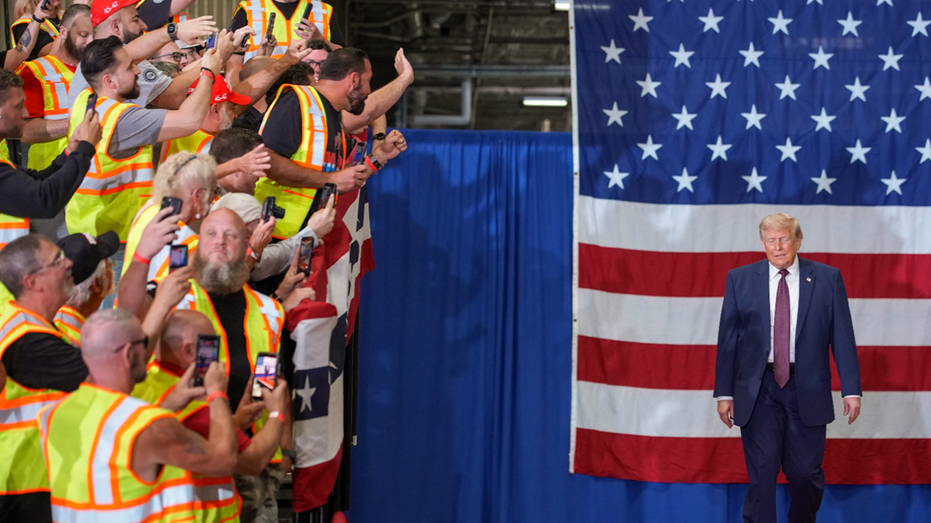
Former President Donald Trump announced during a rally in Pennsylvania that his administration is actively working on legislation to establish a nationwide right-to-carry gun law. The declaration, made at a campaign event, signals a potential major shift in federal gun policy should he return to office.
This move could have far-reaching implications for gun owners and Second Amendment advocates across the United States. Currently, carry laws vary significantly by state, with some allowing open or concealed carry with minimal restrictions, while others require permits or have outright prohibitions in certain areas. A federal right-to-carry law would aim to standardize these regulations, potentially allowing individuals with a permit in one state to carry a concealed firearm in all states.
Trump did not provide specific details on the proposed legislation or a timeline for its introduction. However, his statement was met with enthusiastic support from attendees at the rally, underscoring the strong backing for gun rights among a significant portion of his political base. The announcement aligns with the platform of many conservative groups who advocate for broader gun access and fewer restrictions.
The potential for a federal right-to-carry law has been a long-standing goal for gun rights organizations, which have pushed for federal action to ensure consistent protections for gun owners nationwide. Such legislation would likely face significant opposition from gun control advocacy groups and potentially from lawmakers in states with stricter gun laws.
Discussions about national gun laws often become prominent during election cycles, with candidates taking stances to appeal to different voter demographics. Trump's explicit commitment to pursuing this type of legislation directly addresses a key issue for many gun owners who feel their Second Amendment rights are under threat.
If enacted, a national right-to-carry law would require navigating complex legal and political landscapes. It would likely involve debates over the definition of "right-to-carry," the types of firearms covered, and the ability of states to implement their own regulations or restrictions, particularly in sensitive places like schools or government buildings.
This initiative represents a significant plank in Trump's policy agenda, potentially mobilizing voters who prioritize gun ownership rights. The specifics of the legislation, including any proposed compromises or enforcement mechanisms, will be closely watched by stakeholders on both sides of the gun control debate.
Further details are expected to emerge as the Trump campaign or a potential future administration outlines the scope and intent of the proposed federal right-to-carry legislation, and as it begins to navigate the legislative process.
This article was written by AI based on publicly available news reporting. Original reporting by the linked source.