Trump Downplays Human Rights, Notably Jimmy Lai's Case, in China Diplomacy
President Trump indicated human rights, including the case of jailed activist Jimmy Lai, would not be a primary focus during his China visit.
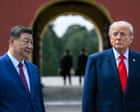
During his visit to Beijing, President Donald Trump suggested a departure from traditional U.S. diplomatic priorities by downplaying the focus on human rights in China. When asked before his departure whether he would raise the case of Jimmy Lai, a pro-democracy activist imprisoned in Hong Kong, Trump initially stated he would bring it up. However, he quickly drew a parallel to domestic political matters, comparing Lai's situation to a hypothetical scenario involving former FBI Director James Comey, indicating it might be a difficult issue for him to pursue.
This shift in emphasis reflects a broader transformation in U.S. foreign policy during the Trump administration, which has often prioritized economic and security interests over human rights advocacy. The change also comes as China's global influence and confidence have grown significantly on the world stage, potentially emboldening Beijing to resist international pressure on such issues.
The case of Jimmy Lai, a prominent figure in Hong Kong's pro-democracy movement, has been a point of concern for international human rights organizations and democratic allies. His imprisonment highlights the ongoing erosion of freedoms in Hong Kong following Beijing's imposition of a national security law.
The implications of Trump's stance suggest a potential weakening of U.S. leverage on human rights issues with China. This approach could signal to other authoritarian regimes that the United States is less likely to intervene or apply pressure on these matters, potentially impacting global human rights dynamics and the U.S. role as a proponent of democratic values abroad.
This article was written by AI based on publicly available news reporting. Original reporting by the linked source.