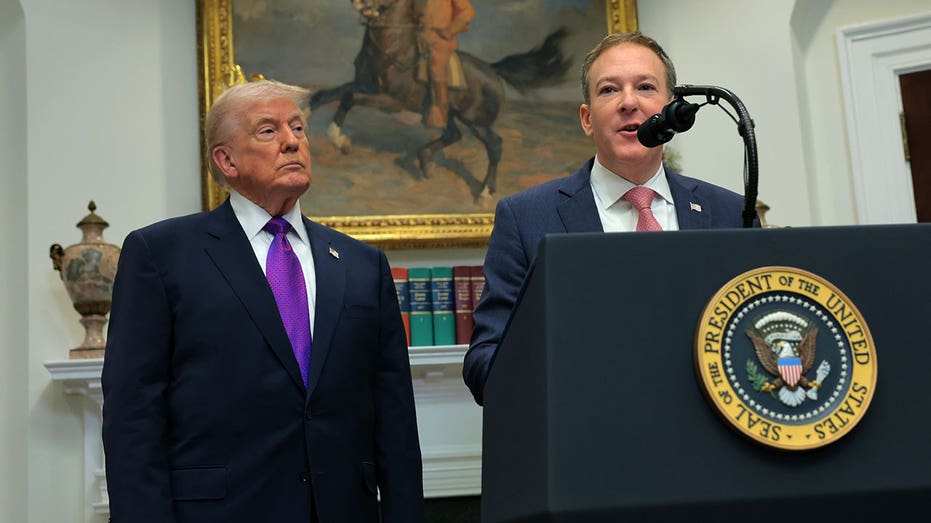
Trump EPA Emissions Rollback Aids Manufacturers, More Red Tape Needs Cutting: Expert
A major industry group CEO hailed Trump's EPA emissions rollback as a 'gamechanger' for manufacturers, but an expert notes additional regulatory hurdles remain.
The Trump administration's rollback of Obama-era environmental regulations, particularly those concerning emissions standards, has been hailed as a significant victory for American manufacturers, according to a prominent industry leader. Jay Timmons, president and CEO of the National Association of Manufacturers (NAM), stated that these changes represent a "gamechanger" for the sector, promising to alleviate regulatory burdens and foster economic growth.
The NAM, representing a broad spectrum of manufacturing businesses, has long advocated for regulatory reform, arguing that stringent environmental rules stifle innovation and increase operational costs. The relaxation of these standards, particularly those related to vehicle emissions and power plant pollution, is seen by the association as a crucial step in revitalizing domestic manufacturing and making American companies more competitive on the global stage.
Timmons expressed optimism that the revised regulations will lead to job creation and increased investment within the manufacturing sector. He emphasized that while the move is a positive development, there is still a need to address other areas where excessive "red tape" hinders industrial progress. The association has consistently called for a more balanced approach to environmental policy that considers economic impacts.
Despite the positive reception from industry, environmental advocates and some scientists have voiced concerns about the potential public health and environmental consequences of weakening emissions standards. They argue that such rollbacks could lead to increased air and water pollution, exacerbating health problems and contributing to climate change.
The Trump administration has framed its deregulatory agenda as a means to unleash American energy and industry, arguing that previous regulations were overly burdensome and imposed by an "activist" bureaucracy. This perspective aligns with the NAM's long-standing calls for a less intrusive federal government in business operations.
However, an expert in regulatory policy, speaking in general terms about the administration's actions, noted that while significant steps have been taken, the overall regulatory landscape for manufacturers remains complex. The expert suggested that further streamlining of permitting processes and a reduction in overlapping regulations would be necessary to fully realize the intended economic benefits.
The debate over environmental regulations and their impact on manufacturing is a recurring theme in U.S. policy. While industry groups often push for deregulation to boost competitiveness, environmental organizations and public health experts typically advocate for stricter standards to protect the environment and human well-being.
Moving forward, the effectiveness of these regulatory changes will likely be subject to ongoing scrutiny, with both economic indicators and environmental data being closely watched to assess their ultimate impact on the manufacturing sector and the broader public interest.
This article was written by AI based on publicly available news reporting. Original reporting by the linked source.