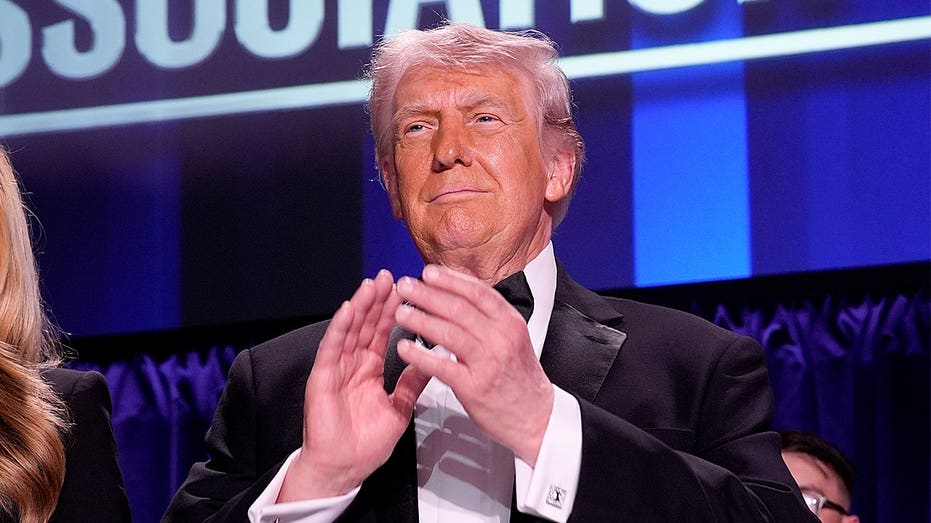
Trump felt like a 'caged lion' after shooting, eager to return to WHCA Dinner
Karoline Leavitt stated Donald Trump felt like a 'caged lion' following the assassination attempt and wanted to attend the WHCA Dinner.
Former President Donald Trump described himself as a "caged lion" after the recent assassination attempt and expressed a strong desire to attend the White House Correspondents' Association (WHCA) Dinner, according to his campaign spokeswoman Karoline Leavitt.
Leavitt revealed Trump's sentiments in an interview, suggesting that the near-fatal incident amplified his eagerness to re-engage with public life and political events. The WHCA Dinner, typically a high-profile gathering of journalists, politicians, and celebrities, often includes the sitting president. Trump, however, had a contentious relationship with the event during his presidency, often criticizing the media.
Despite the heightened security concerns following the shooting, Leavitt indicated that Trump's immediate reaction was not one of withdrawal but of a "roaring" desire to return to such public forums. This feeling of being "caged" reportedly fueled his resolve to continue with his planned activities and appearances.
The remarks come at a time of heightened political tension and security awareness. The assassination attempt on Trump has underscored the volatile nature of the current political climate, prompting discussions about the safety of public figures and the nature of political discourse.
Leavitt's description of Trump as a "caged lion" suggests a feeling of confinement and a powerful urge to break free and assert himself. This imagery implies a readiness to confront challenges and return to the political arena with renewed vigor.
While Trump ultimately did not attend the WHCA Dinner, his expressed desire to do so, as relayed by Leavitt, offers insight into his mindset in the immediate aftermath of the attack. It highlights a resilience and a commitment to his public role, even in the face of personal danger.
The incident and Trump's subsequent reaction have drawn attention to the broader implications for political campaigning and public safety. As the election cycle progresses, such events inevitably shape public perception and campaign strategies.
Leavitt's comments provide a glimpse into the former president's personal feelings and immediate post-attack reactions, framing his desire to return to public life as a significant driving force.
This article was written by AI based on publicly available news reporting. Original reporting by the linked source.