Trump Gifts $155,000 to 4 Aides, Including $45,000 Each to Harp, Martin, Harris
President Trump gave $155,000 in holiday gifts to four White House aides, with Natalie Harp, Margo Martin, and Chamberlain Harris each receiving $45,000.
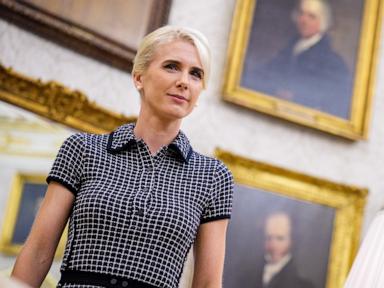
President Donald Trump distributed holiday gifts totaling $155,000 to four White House staff members in 2025, according to personal financial disclosures recently published by the White House. Executive assistant Natalie Harp, communications advisor Margo Martin, and deputy director of Oval Office operations Chamberlain Harris each received $45,000 in cash gifts for the holidays. Walt Nauta, a long-time ally and director of Oval Office operations, received a $20,000 holiday gift.
These substantial gifts were given in addition to the aides' six-figure annual salaries. Harp, Martin, and Harris each earn $150,000 annually, while Nauta's salary is $175,000 per year. The White House stated that the president has a customary practice of providing Christmas gifts to individuals in his circle, including employees and aides, both in government and his private sector career.
A White House official emphasized that the gifts in question are personal and unrelated to the individuals' official government duties, asserting their permissibility under relevant legal and ethical standards. The financial disclosures were made public this month, shedding light on these significant personal gratuities.
The distribution of these funds comes as Harp has faced scrutiny on the campaign trail from Democrats. Georgia Democratic Senator Jon Ossoff recently mentioned Harp at a rally, referencing a "flying palace" gifted by the Emir of Qatar, suggesting it was used for travel. President Trump, when asked about Ossoff's remarks, indicated a preference for other activities before discussing White House renovation projects.
Martin and Nauta are also noted for their close proximity to the president. Nauta, who served as Trump's valet during his first term, was previously charged alongside the president in a special counsel investigation. The nature of these charges remains a significant point of discussion in ongoing legal proceedings.
This practice of gift-giving, particularly to close aides, highlights the personal dynamics within the White House. While framed as a personal tradition, the scale of the gifts raises questions about the intersection of personal relationships and public service, especially given the recipients' roles and salaries.
The White House has maintained that these actions are permissible and personal, distinguishing them from official duties. However, the public disclosure of these financial transactions invariably draws attention and invites scrutiny regarding the ethical considerations involved in such significant personal expenditures by a public official towards their staff.
Further details regarding the sources of these personal funds and the specific timing of the gifts relative to official duties remain areas of interest. The White House has provided a statement affirming the legality and ethical compliance of these actions.
This article was written by AI based on publicly available news reporting. Original reporting by the linked source.