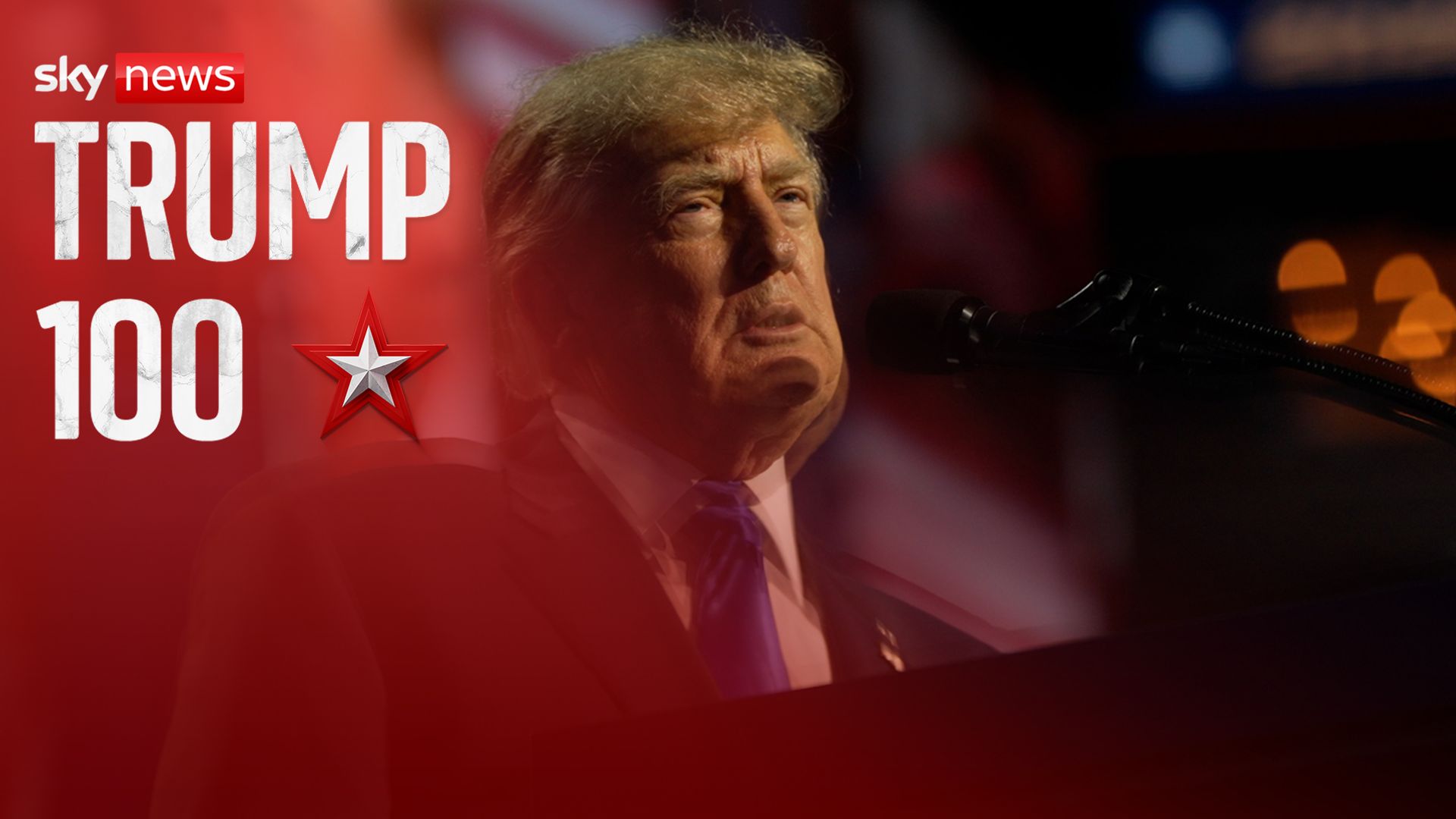
Trump Headlines Texas Convention, Focuses on 'Unifying' Party
Donald Trump spoke at a Texas convention, aiming to unify the Republican party ahead of the 2024 elections.
Former President Donald Trump was the headline speaker at a significant Republican convention held in Texas this past weekend. The event, which drew a large crowd of party faithful, served as a key platform for Trump to address the state of the Republican party and outline his vision for its future.
This convention comes at a crucial time for the GOP as it navigates internal divisions and prepares for the upcoming 2024 election cycle. Trump's involvement signals his continued influence within the party and his efforts to rally support for Republican candidates.
During his address, Trump emphasized the need for party unity, a recurring theme in his public statements. He spoke about overcoming recent electoral challenges and working collaboratively to achieve Republican goals. Attendees reportedly responded enthusiastically to his remarks, with many seeing him as the central figure in the party's resurgence.
The implications of Trump's appearance extend beyond Texas, potentially setting the tone for Republican strategy and messaging nationwide. His focus on unification suggests a strategic effort to bridge divides within the party's base and appeal to a broader electorate.
Sources close to the former president have indicated that his participation in such state-level events is a deliberate strategy to maintain visibility and exert influence. These gatherings provide a direct line to grassroots supporters and offer opportunities to shape the party's narrative without the constant scrutiny of national media cycles. The Texas convention, known for its significant Republican turnout, was seen as an ideal venue for this purpose.
Analysts suggest that Trump's emphasis on unity, while perhaps intended to mend fences, also serves to consolidate his own leadership position. By positioning himself as the arbiter of party cohesion, he can further cement his control over key endorsements and policy directions. The success of this unification strategy will likely be a critical factor in the Republican party's performance in future elections.
Reactions from various factions within the Republican party remain mixed, though the dominant sentiment at the convention appeared to be supportive of Trump's continued leadership. Some strategists are hopeful that his unifying message will translate into electoral gains, while others express concern that it may alienate moderate voters.
Unresolved questions linger regarding the long-term impact of Trump's continued involvement on the Republican party's broader appeal and its ability to attract new voters. The effectiveness of his unification efforts will be closely monitored as the political landscape evolves towards the next major election.
This article was written by AI based on publicly available news reporting. Original reporting by the linked source.