Trump Launches 'Super Intelligence Force' AI Task Force Amid Global Race
President Trump announced a new AI task force, the 'Super Intelligence Force,' aimed at ensuring U.S. dominance and protecting national interests.
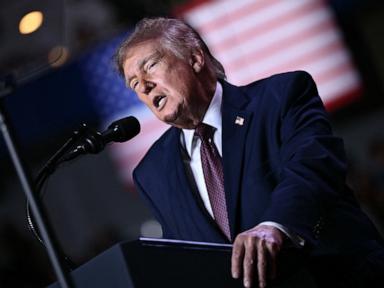
President Donald Trump has formally announced the creation of a new artificial intelligence task force, which he has named the “Super Intelligence Force.” The initiative aims to bolster American leadership in AI development while simultaneously safeguarding national interests and the lives of citizens.
This announcement comes at a time of increasing global attention and concern surrounding the rapid advancements in artificial intelligence. The task force's creation signifies a concentrated federal effort to navigate the complex landscape of AI, which some experts compare in significance to the Industrial Revolution and the internet.
In a social media post, President Trump stated that the Super Intelligence Force will be responsible for coordinating federal government efforts to maintain U.S. preeminence in "Super Intelligence." He emphasized that this leadership position is crucial for protecting American interests and improving the quality of life for all citizens.
The task force is also intended to coordinate the federal government's engagement with a broad range of entities, including consumers, public interest groups, religious organizations, critical infrastructure providers, and artificial intelligence companies. However, the announcement provided limited specifics regarding the task force's operational details, specific actions, or oversight mechanisms for AI development.
This formal announcement follows a period of heightened discussion about AI regulation. Last month, President Trump indicated his intention to form an AI task force. The recent formalization of this plan occurred shortly after the President met with several leading technology executives at the White House. During that meeting, it was reported that the President and representatives from six companies signed a "constitution" outlining principles for self-regulation within the AI industry.
Director of National Intelligence Jay Clayton is slated to lead the Super Intelligence Force. He will be joined by other key figures, including Chairman of the Federal Trade Commission Andrew Ferguson, Under Secretary of Defense for Research and Engineering Emil Michael, and Director of the Office of Personnel Management Scott Kupor. Clayton, often referred to as the White House's new AI czar, has previously expressed the view that U.S. leadership in AI is vital for countering risks posed by adversaries.
Clayton told The Wall Street Journal that remaining at the forefront of AI development is critical, stating that "the risk of not being first is high." He elaborated that failing to lead increases both known and unknown risks, particularly from global competitors, and that being the first in AI development will better position the U.S. to address these challenges.
An inquiry to the White House seeking further clarification on the task force's specific objectives did not receive an immediate response. The lack of detailed information leaves open questions about the precise scope of the Super Intelligence Force's mandate and its intended impact on the evolving field of artificial intelligence.
This article was written by AI based on publicly available news reporting. Original reporting by the linked source.