Trump Orders Release of UFO Data from Former Officials
President Trump directed agencies to waive NDAs for former employees to share classified UFO information.
President Donald Trump has ordered government agencies to allow former employees and contractors to disclose previously classified information about Unidentified Aerial Phenomena (UAP), commonly known as UFOs. The directive, issued through a memorandum, specifically calls for the waiver of Non-Disclosure Agreements (NDAs) for individuals willing to share their knowledge through official channels.
This move signals a significant potential shift in the government's approach to UAP transparency. For decades, information regarding unexplained aerial sightings and encounters has been largely classified, fueling public speculation and conspiracy theories. The President's order aims to facilitate the controlled release of this information by individuals who may be bound by secrecy oaths.
The memorandum directs the Secretary of Defense and the Director of National Intelligence to establish a process for reviewing and potentially waiving NDAs. This process is intended to enable former government personnel and contractors with firsthand knowledge of UAP events to come forward without fear of legal repercussions. The focus is on individuals whose testimony could contribute to a greater understanding of the phenomenon.
This initiative could lead to the declassification of a substantial amount of material and firsthand accounts, potentially shedding new light on the nature and origin of UAP. The implications extend beyond mere public curiosity, as national security agencies have expressed concerns about potential technological threats posed by unknown craft.
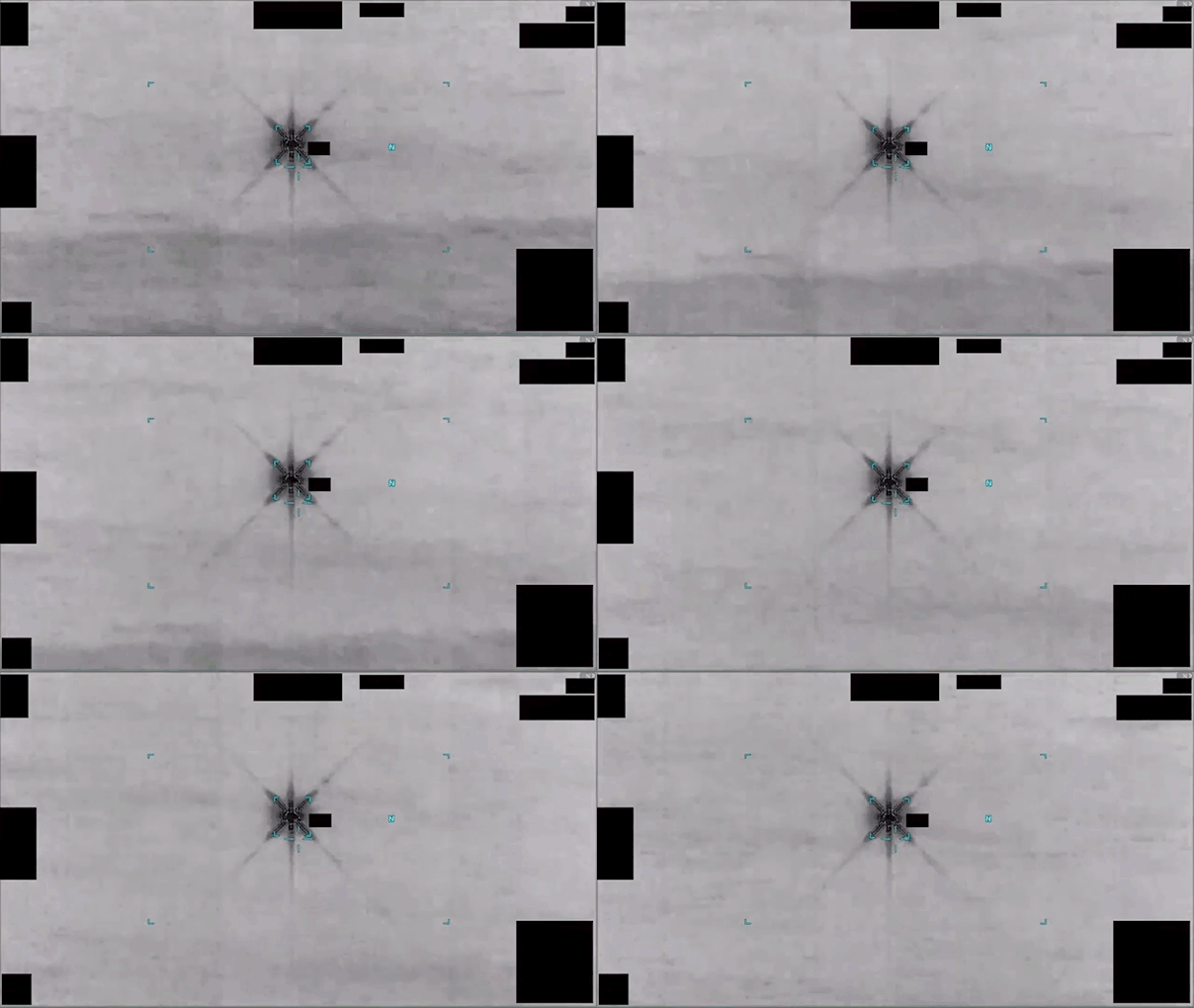
The directive comes at a time when UAP have gained increased attention from policymakers and the public. Recent years have seen the U.S. Navy release declassified videos of encounters between naval aviators and UAP, and Congress has begun holding hearings on the subject. The establishment of official UAP investigation offices within the Pentagon also underscores a growing institutional interest.
While the exact scope of the information that might be released remains unknown, the order suggests a willingness at the highest levels of government to explore avenues for greater transparency. The process outlined in the memorandum emphasizes that disclosures must be made through official government channels, indicating a desire to manage the release of sensitive material responsibly.
This presidential directive could empower former intelligence officers, military personnel, and aerospace contractors who have long been silent due to their NDAs. Their testimonies might offer critical insights into encounters, technological capabilities observed, and the government's historical investigations into these phenomena.
Questions remain regarding the criteria for waiving NDAs, the types of information that will be prioritized for release, and the potential impact on ongoing national security operations. The effectiveness of this initiative will depend on the cooperation of the agencies involved and the willingness of former personnel to engage with the new process.
This article was written by AI based on publicly available news reporting. Original reporting by the linked source.