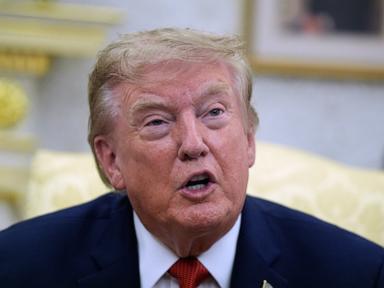
Trump Pauses 50% Canada Tariffs for 3 Days Amid Deal Talks
President Trump halts 50% tariffs on Canadian goods for three days, citing a potential deal that may revive the Keystone Pipeline.
President Donald Trump announced a temporary three-day pause on new 50% tariffs targeting Canadian goods, which were slated to take effect early Wednesday. The decision comes as the United States and Canada reportedly reached a deal, subject to finalization of documentation.
These tariffs, announced last month, were intended to address what the White House described as discriminatory Canadian policies against U.S. exports. The levies were set to impact dozens of products, including items like hockey sticks and wine, beginning at 12:01 a.m. ET on Wednesday.
In a social media post, President Trump stated, "I have paused the 50% Tariffs against Canada, that were scheduled to kick in tomorrow morning for a three day period, based on the fact that Canada and the U.S.A., subject to the finalization of documents, have a DEAL." While specific details of the agreement were not immediately disclosed, Trump suggested it might involve a renewed effort to construct the Keystone Pipeline.
The Keystone XL Pipeline, which was canceled in 2021, was mentioned by Trump, who posted, "Keystone XL Pipeline, long ago killed by Sleepy Joe Biden, may be awoken from the grave!" This potential revival of the controversial project, which faced significant environmental opposition, introduces a new dimension to the trade discussions.
Despite the broad announcement, the tariffs were expected to affect only a fraction of U.S. imports from Canada due to exemptions on key goods such as oil, gas, and potash. Nevertheless, the list of affected items included various food products like dairy, honey, and molasses, as well as alcoholic beverages such as whiskey and vodka.
This development follows recent actions by the Trump administration, including the imposition of sweeping new tariffs on 60 trade partners, including the European Union, earlier in August. These measures were part of an effort to reinstate duties previously struck down by the Supreme Court.
Canadian Prime Minister Mark Carney had previously criticized the series of U.S. tariffs, stating that Canada had matched U.S. measures and that the trade dispute was increasing costs for families. He indicated Canada's readiness to engage in intensive discussions to resolve outstanding issues.
The White House had previously stated that the tariffs were aimed at "leveling the playing field for crucial American exports--cars, alcohol, and dairy," countering what it deemed discriminatory treatment by Canada. The temporary pause now allows for further negotiations and the potential resolution of these trade disputes.
This article was written by AI based on publicly available news reporting. Original reporting by the linked source.