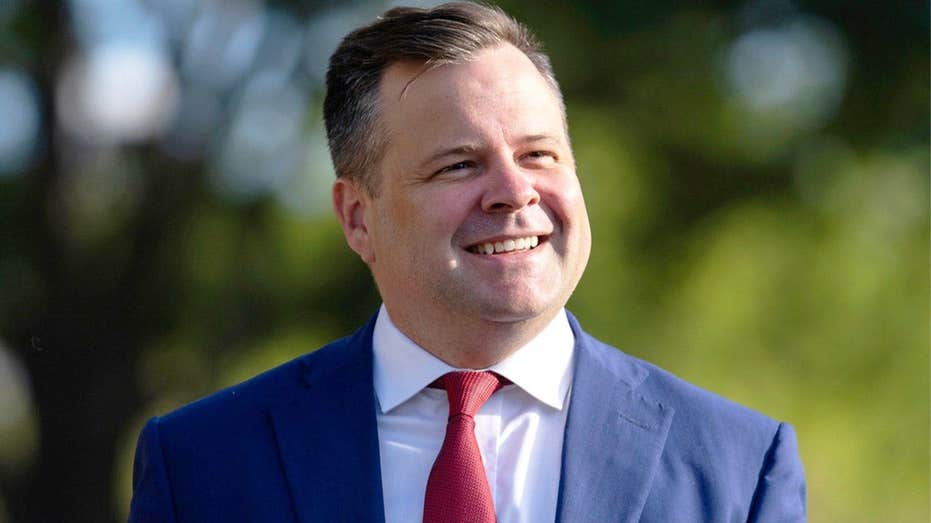
Trump Taps Housing Regulator Bill Pulte as Acting Intelligence Chief
Donald Trump appointed Bill Pulte, a housing sector regulator, to lead U.S. intelligence efforts, sparking questions about his qualifications.
Donald Trump has appointed Bill Pulte, a figure known for his work in the housing sector, to serve as the acting director of national intelligence. The move places Pulte, who has no prior experience in national security or intelligence, at the helm of the U.S. intelligence community.
Pulte's appointment is notable given the critical nature of the director of national intelligence role, which oversees 18 U.S. intelligence agencies. The position requires a deep understanding of national security threats, foreign policy, and complex intelligence operations. Pulte's background is primarily in real estate development and housing regulation, raising immediate concerns among critics and observers about his readiness for such a high-stakes position.
Sources familiar with the decision indicated that Trump viewed Pulte as a capable leader with a track record of managing complex organizations. However, details regarding Pulte's specific qualifications or any consultations with national security experts prior to the appointment have not been widely disclosed. The selection has prompted scrutiny regarding the vetting process for such a sensitive role.
The appointment of an acting director often precedes a formal nomination for a permanent position. This interim role allows an individual to assume responsibilities while a more thorough review or confirmation process takes place. The implications of Pulte's leadership on ongoing intelligence operations and the broader national security apparatus remain a subject of discussion.
Critics have voiced concerns about the potential impact on the intelligence community's operations and its relationship with other government agencies and international partners. They point to the demanding nature of the director of national intelligence role, which involves advising the president on critical matters of national security and coordinating the efforts of diverse intelligence agencies, including the CIA, NSA, and FBI's intelligence divisions.
Supporters of the appointment, though not extensively detailed in the provided material, would likely highlight Pulte's business acumen and perceived ability to bring a fresh, non-traditional perspective to the intelligence field. They might argue that his experience in managing large-scale operations translates to effective leadership, regardless of the specific sector.
This development occurs at a time when the U.S. intelligence community faces numerous global challenges, including evolving geopolitical threats, cyber warfare, and the need for sophisticated analysis of international events. The effectiveness of any leader in this role is crucial for national security.
Further details regarding Pulte's agenda, his immediate priorities, and the administration's expectations for his tenure are anticipated to emerge in the coming weeks. The qualifications and experience of the director of national intelligence are paramount, and this appointment is expected to continue to draw attention and debate.
This article was written by AI based on publicly available news reporting. Original reporting by the linked source.