Trump to consider F-35 sale to Turkey, lift sanctions
President Trump will consider selling F-35 jets to Turkey and lifting sanctions, citing their loyalty and help with Iran.
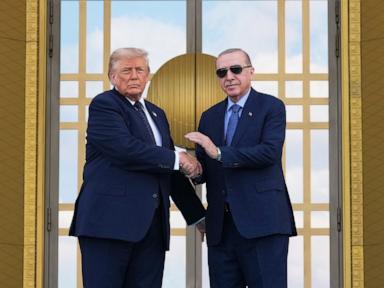
President Donald Trump announced Tuesday that he will consider allowing Turkey to purchase American F-35 fighter jets, a significant policy shift that would also involve lifting sanctions previously imposed on Ankara. The announcement came during the first day of the NATO Summit in Ankara, where Trump met with Turkish President Recep Tayyip Erdogan.
This potential sale comes despite Turkey's possession of Russian-made air defense systems, which led to sanctions from the U.S. six years ago. The U.S. previously stated that these Russian systems could compromise the security of American military technology and personnel. The F-35 program prohibits countries from participating if they operate such Russian equipment.
Trump stated that the U.S. would consider the F-35 sale due to an improved relationship with Turkey and what he described as Turkey's greater loyalty compared to other NATO allies. He also mentioned an obligation to maintain engines on planes Turkey had already acquired, suggesting Turkey's helpfulness regarding Iran influenced the decision.
The implications of this potential sale are far-reaching, potentially reshaping NATO alliances and U.S. defense export policies. It could also signal a broader shift in U.S. foreign policy towards countries that maintain ties with both the U.S. and Russia.
In a previous meeting, Vice President JD Vance and Secretary Pete Hegseth were reportedly reviewing Turkey's F-35 purchase. Trump had hinted at a potential "gift" for Turkey during that discussion, and the current announcement aligns with those remarks. The U.S. has long been concerned that Russian S-400 missile defense systems, which Turkey acquired, could compromise the stealth capabilities of the F-35.
Trump also used the occasion to criticize other NATO allies for their perceived reluctance to support U.S. military operations, particularly concerning the Strait of Hormuz. He expressed disappointment with Italy, Germany, and France for not joining U.S. efforts, questioning the value of the alliance if members do not contribute to collective security.
The President suggested that his attendance at the NATO summit was partly contingent on Turkey being the host nation and his relationship with President Erdogan. He reiterated his stance on the importance of reciprocal support within the alliance, highlighting instances where the U.S. has supported European nations.
Trump's comments underscore a transactional approach to foreign policy, where loyalty and cooperation on specific issues, such as Iran, are weighed heavily in defense and diplomatic considerations. The full details of the sanctions relief and the F-35 sale conditions are expected to be clarified in the coming weeks.
This article was written by AI based on publicly available news reporting. Original reporting by the linked source.