Canada Imposes 50% Tariffs on Hundreds of US Products in Retaliation
Canada announced retaliatory tariffs up to 50% on hundreds of U.S. products, including steel and furniture, effective September 8.
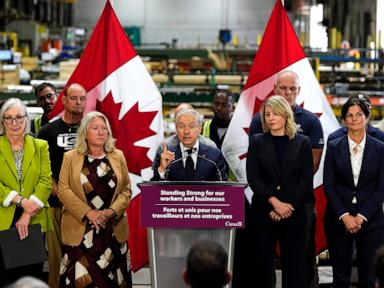
Canada on Tuesday announced retaliatory tariffs as high as 50% on hundreds of United States products, including some steel and aluminum goods, furniture, and clothing, a senior Canadian government official told ABC News.
The levies, which take effect on September 8, are set to escalate a trade war that erupted over the weekend after official negotiations collapsed and a fresh round of U.S. levies took hold.
Canadian Finance Minister François-Philippe Champagne stated that the measures would match U.S. tariffs dollar for dollar and rate for rate, targeting $27.6 billion worth of U.S. goods. This figure represents approximately 8% of total U.S. exports to Canada, according to 2025 U.S. Census Bureau data.
The move comes after President Donald Trump announced on Monday that he would increase tariffs on Canadian cars and auto parts to 50% starting in January 2027. This announcement followed the breakdown of trade negotiations over the weekend and the implementation of new U.S. tariffs on certain Canadian goods.
Canadian Prime Minister Mark Carney had previously criticized the U.S. approach to trade talks, stating that American negotiators made unfavorable requests. The U.S. exported $175.8 billion in goods to Canada in the first half of 2026, making Canada the second-largest export market for the United States after Mexico.
In a social media post, President Trump described Canada as one of the worst nations to deal with, asserting that the U.S. does not need Canada, but rather Canada needs the U.S. He did not provide a specific reason for delaying the implementation of his tariffs until January.
The Canadian tariffs are expected to focus on many products that were included in the recent U.S. levies, such as paper and dairy. The escalation marks a significant challenge in the ongoing trade dispute between the two North American neighbors.
This latest development signals a deepening economic conflict, with both nations imposing significant trade barriers. The full economic impact of these escalating tariffs on businesses and consumers in both countries remains to be seen.
This article was written by AI based on publicly available news reporting. Original reporting by the linked source.