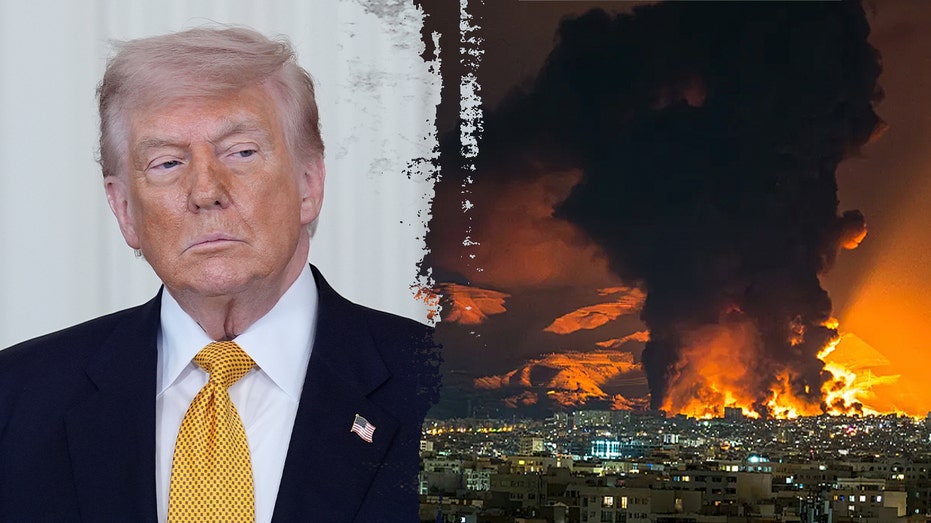
Trump's Iran Policy Shifts Highlight Clash Between Idealism and Reality
President Trump's fluctuating stance on Iran, including contradictory views on inflation and economic pressure, reveals a foreign policy struggling to align with real-world outcomes.
President Donald Trump's approach to Iran has been marked by a series of policy reversals and seemingly contradictory statements, illustrating a persistent tension between his administration's stated goals and the complex realities of international relations.
This dynamic is particularly evident in the administration's engagement with Iran, where a strategy of "maximum pressure" has been accompanied by moments of apparent openness to dialogue, often leaving allies and observers questioning the consistency of U.S. policy.
The administration has publicly pursued a tough stance against Iran, citing its ballistic missile program and regional influence as primary concerns. However, Trump himself has expressed a desire for negotiation, even suggesting he could meet with Iranian leaders without preconditions, a stance that diverges from the more hardline positions often articulated by his national security team.
This oscillation suggests a foreign policy driven by the President's personal inclinations and his perception of how the world should operate, rather than a rigid adherence to established diplomatic or strategic frameworks. The impact of U.S. sanctions on Iran's economy, and by extension global markets, has also been a point of interest, with Trump at times expressing a peculiar "love" for inflation, a phenomenon that typically has negative economic consequences.
Critics and analysts point to this pattern as evidence of an administration where strategic objectives are often overshadowed by the President's personal views and his tendency to react to events in ways that can seem impulsive. The administration's stated aim of curbing Iran's nuclear ambitions and its support for terrorism has been a consistent theme, yet the methods and the willingness to engage directly have varied significantly.
This approach has often placed U.S. allies in a difficult position, as they seek predictability and a unified front in dealing with Iran. The lack of a clear, unwavering strategy can undermine diplomatic efforts and create opportunities for adversaries to exploit divisions.
Furthermore, Trump's focus on perceived personal slights or opportunities for grand pronouncements has sometimes taken precedence over long-term strategic planning. The administration's policy towards Iran, therefore, serves as a case study in a leadership style that prioritizes immediate impressions and personal judgment over conventional foreign policy doctrines.
The ultimate success or failure of this multifaceted approach remains a subject of ongoing debate, with the long-term implications for regional stability and international security still unfolding.
This article was written by AI based on publicly available news reporting. Original reporting by the linked source.