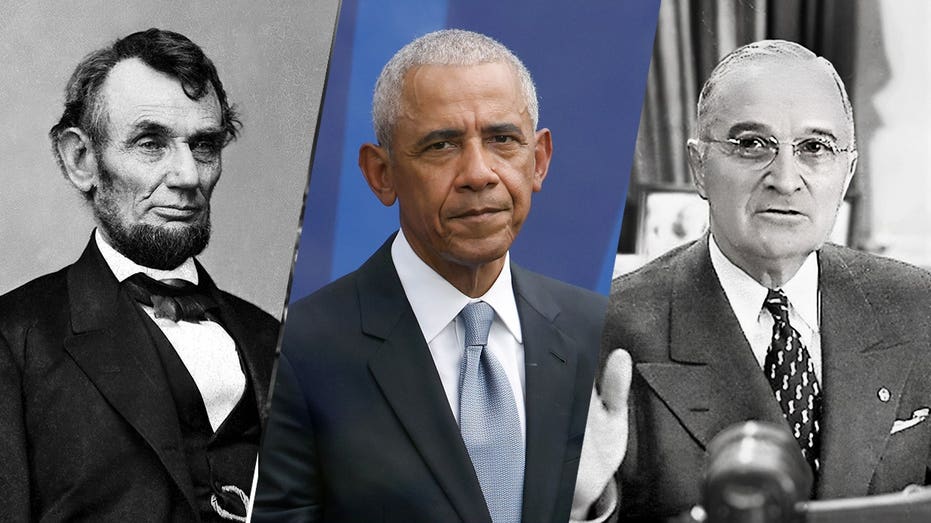
Trump's Pentagon Shake-up Echoes Past Presidential Power Plays
The departure of Army Secretary Dan Driscoll amidst a clash with Pete Hegseth signals a return to presidential influence over defense leadership.
The recent departure of Army Secretary Dan Driscoll, reportedly amid a clash with Fox News personality Pete Hegseth, highlights a recurring theme in American presidential history: the assertion of executive authority over the Department of Defense. This event, unfolding against a backdrop of political maneuvering, brings to the forefront the delicate balance between civilian leadership and the military.
The Pentagon, as a critical institution of national security, has long been an arena where presidential power is tested and exercised. Secretaries of defense and the military branches serve at the pleasure of the President, who is the commander-in-chief. This dynamic allows presidents to shape defense policy and personnel to align with their strategic vision, though it can also lead to friction with established leadership and norms.
Sources suggest that Driscoll's exit was precipitated by disagreements, including a notable conflict with Hegseth, who has been vocal on national security issues and is seen as influential within conservative circles. Such clashes, whether direct or indirect, can create untenable situations for appointed officials, leading to resignations or dismissals that ripple through the department.
The implications of this presidential power play extend beyond individual appointments. It signals a potential shift in how defense leadership is selected and managed, with a greater emphasis on ideological alignment or perceived loyalty. This approach can have significant consequences for military readiness, strategic planning, and the broader relationship between the White House and the armed forces.
Historically, presidents have frequently reshaped the Pentagon to reflect their priorities. From the post-World War II era, presidents have appointed individuals who could implement their defense doctrines, whether it was expanding nuclear capabilities, adapting to new geopolitical threats, or reforming military structures. These appointments are often a clear signal of a president's defense agenda.
However, these exercises of presidential prerogative have not always been smooth. High-profile resignations and dismissals have occurred throughout history when presidential objectives clashed with the views of military leaders or cabinet secretaries. These events often spark debates about the politicization of the military and the importance of institutional stability.
Experts and former officials have often voiced concerns about excessive political interference in defense matters. They emphasize the need for experienced, non-partisan leadership within the military and the Department of Defense to ensure sound decision-making, particularly during times of national or international crisis.
The current situation raises lingering questions about the underlying causes of Driscoll's departure, the extent of Hegseth's influence, and the long-term impact on the Army's leadership and its operational effectiveness. The interplay between political appointments and military governance remains a subject of ongoing scrutiny.
This article was written by AI based on publicly available news reporting. Original reporting by the linked source.