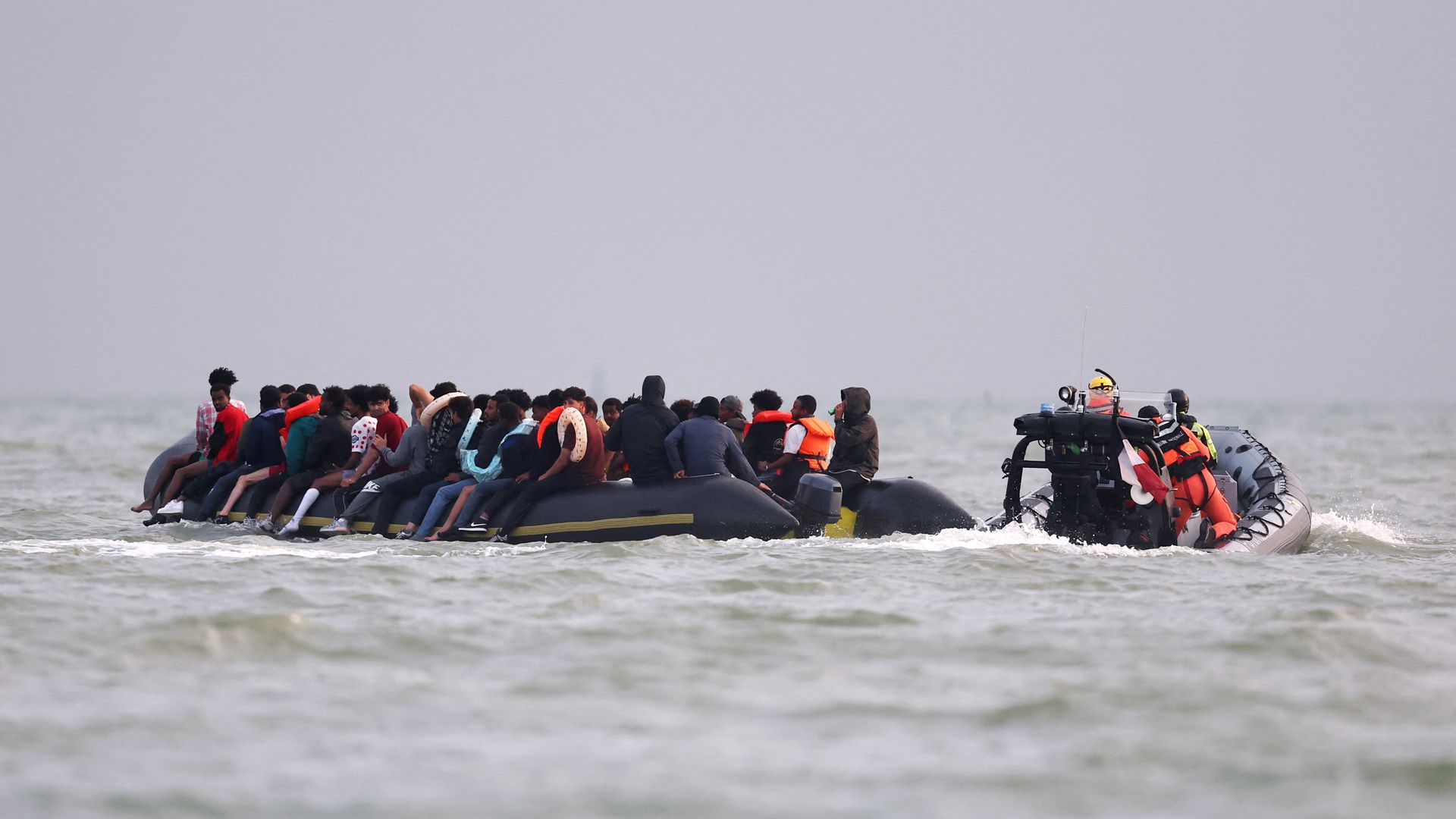
Two Men Die During Attempted Small Boat English Channel Crossing
Two men lost their lives while attempting to cross the English Channel in a small boat, highlighting the dangers of such journeys.
Two men have died while attempting to cross the English Channel in a small boat. The incident occurred during a perilous journey across the busy shipping lane, underscoring the inherent risks associated with irregular migration routes.
The English Channel remains a primary route for individuals seeking to enter the United Kingdom from continental Europe, often in small, unseaworthy vessels. These crossings, particularly during adverse weather conditions, have frequently resulted in fatalities and rescues.
Authorities were alerted to the situation, and emergency services responded. Despite efforts, the two men could not be saved. Details regarding the specific circumstances of their deaths, including the exact number of people on board and their nationalities, have not yet been fully disclosed.
This tragedy is the latest in a series of deaths linked to Channel crossings, prompting ongoing debate and concern among governments, humanitarian organizations, and the public. The frequency of these attempts highlights the persistent demand for irregular migration pathways, despite the significant dangers.
Previous incidents have seen large numbers of people rescued from overcrowded and unsafe boats. The French and British coastguards, along with naval assets, are frequently involved in joint operations to respond to distress calls. These operations, while often successful in saving lives, are complex and resource-intensive.
Various factors contribute to the continued attempts to cross the Channel, including political instability, economic hardship, and conflict in migrants' countries of origin. Smugglers often exploit these vulnerabilities, charging significant sums for dangerous journeys.
Humanitarian groups have repeatedly called for safer and more legal routes for asylum seekers. They emphasize that the current situation is a symptom of broader global issues that require comprehensive policy solutions beyond border enforcement.
Investigations into the incident are expected to be carried out by relevant authorities. The focus will likely be on understanding the sequence of events, the condition of the vessel, and the role of any facilitators involved in organizing the crossing. The identities of the deceased are being withheld pending notification of next of kin.
This article was written by AI based on publicly available news reporting. Original reporting by the linked source.