Two Men Jailed for Stabbing Iranian TV Presenter in London
Two men received jail sentences for stabbing an Iranian TV presenter in London, revealing Iran's use of criminal proxies.
Two men have been sentenced to prison for the stabbing of an Iranian television presenter on a London street, an attack that has brought to light the alleged use of criminal "proxies" by the Iranian government within the United Kingdom.
The incident, which occurred in August 2022, saw the presenter, who works for a London-based Persian-language satellite channel critical of the Iranian regime, attacked near his home. The stabbing was widely seen as a targeted assault, raising concerns about the security of dissidents and journalists operating abroad.
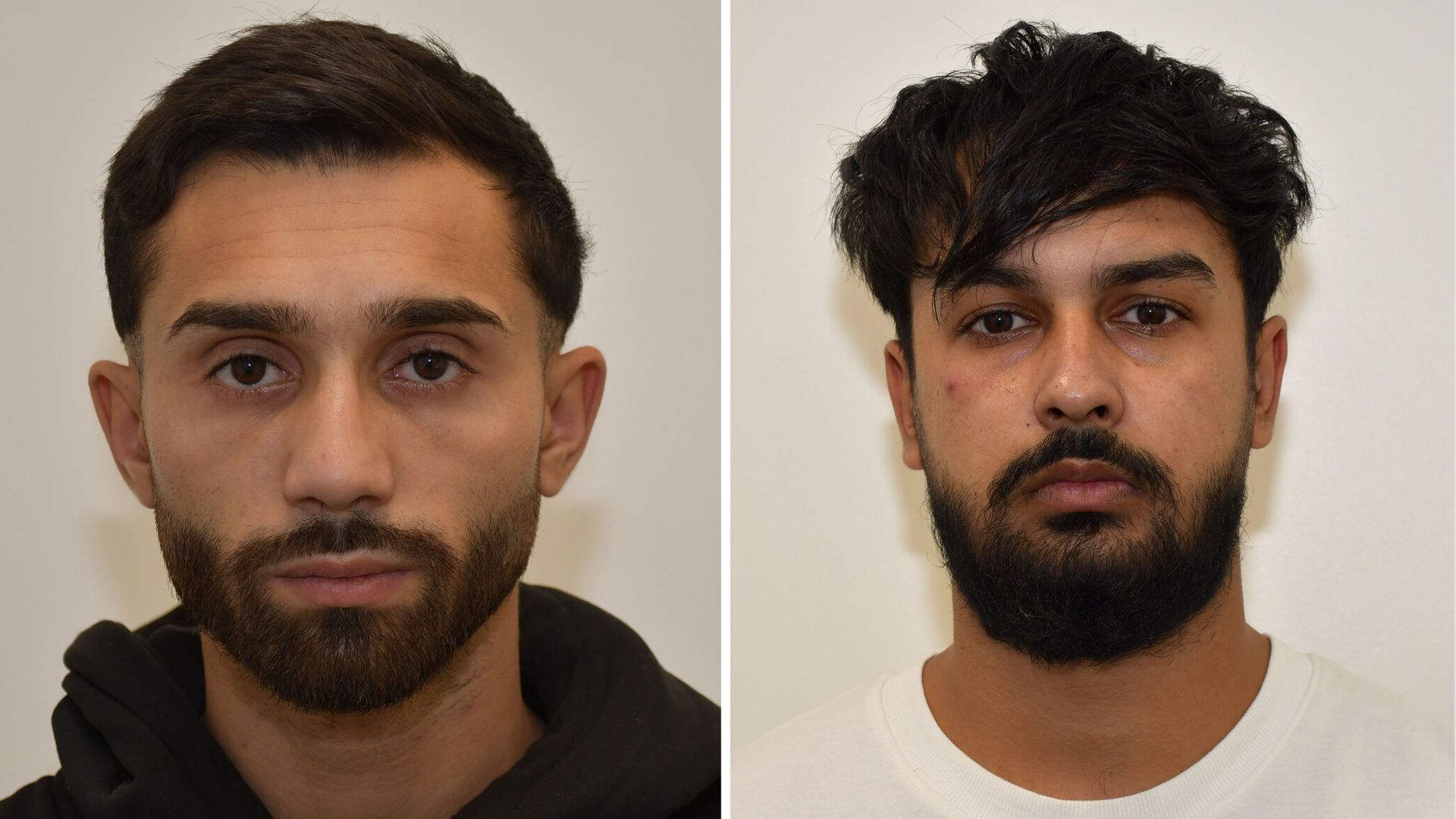
Mohammad Ali Javadi, 28, and Hassan Darzi, 32, were convicted of grievous bodily harm and conspiracy to cause grievous bodily harm, respectively. Javadi was sentenced to 12 years and Darzi to 10 years in prison. During the trial, prosecutors presented evidence suggesting the attack was orchestrated by individuals connected to the Iranian intelligence services, who allegedly hired the convicted men to carry out the assault.
This case is part of a broader pattern of alleged intimidation and harassment of Iranian dissidents and journalists by the Islamic Republic, both within Iran and internationally. The use of proxies, individuals who are not directly state agents but are hired or coerced to carry out operations, is a tactic that intelligence agencies worldwide are known to employ, but this conviction marks a significant moment in exposing such alleged activities on British soil.
Investigators believe the motive for the stabbing was retaliation for the presenter's critical reporting on Iran. The channel he works for has been a vocal platform for opposition voices and has frequently broadcast content critical of the Iranian government's policies and human rights record. The attack underscored the risks faced by media professionals who challenge authoritarian regimes from exile.
Following the attack, UK authorities increased their scrutiny of activities linked to the Iranian state. The conviction of Javadi and Darzi sends a strong message that such extraterritorial aggression will not be tolerated. It also highlights the complex challenges faced by host countries in protecting individuals who are targets of foreign state-sponsored intimidation.
Legal experts have noted that proving state involvement in such attacks can be difficult, often relying on circumstantial evidence and intelligence reports. The prosecution's success in this case may encourage further investigations into similar alleged incidents involving individuals or groups acting on behalf of foreign governments.
The sentencing of the two men is expected to have implications for diplomatic relations between the UK and Iran, and may prompt other countries to re-evaluate their security measures for exiled dissidents and journalists. The case remains a stark reminder of the lengths to which some regimes may go to silence critical voices.
This article was written by AI based on publicly available news reporting. Original reporting by the linked source.