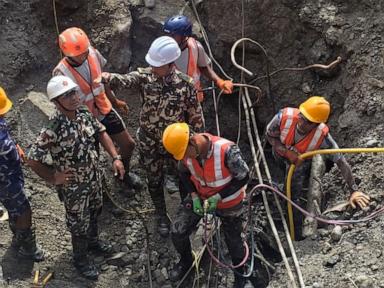
Two Rescued Alive from Nepal Tunnel Amidst Rising Flood Death Toll
Two workers were rescued alive from a Nepal hydropower tunnel, offering a glimmer of hope as the flood death toll nears 1,300.
Two individuals have been rescued alive from a hydropower tunnel at the Trishuli 3A construction site in Nepal, the country's Army confirmed Friday. The rescue offers a rare moment of hope amidst devastating flash floods that have impacted the Nepal-Tibet border region.
These rescues come as the overall death toll from the unprecedented flash flood has climbed to 1,287, with an additional 4,216 people still unaccounted for as of Thursday, according to Nepal's National Disaster Management Authority. The figures represent an increase from the previous day's reported 1,114 deaths and 3,916 missing persons.
Nepalese lawmaker and engineer Shri Ram Neupane, who has been involved in the search operations, shared videos and photos from the scene on Facebook, identifying the rescued workers as Sanjay Sah and Kabir Maharjan. Neupane had previously reported hearing voices from inside the tunnel, indicating that more people were trapped. A response of "yes" was received when rescuers assured those inside that they were being brought to safety.
Officials remain cautiously optimistic about further rescues. Communication Minister Bikram Timilsina expressed hope on Facebook for the recovery of "more and more people." At least 557 workers are reported missing from the Trishuli 3A hydropower projects, with approximately 115 believed to be trapped within the tunnel, according to the Independent Power Producers Association of Nepal.
The scale of the disaster is significant, with Chinese state media reporting an additional 16 deaths and 546 missing individuals in Tibet. This brings the combined death toll on both sides of the border to 1,268 and the total number of missing to 4,762. Relief and rescue efforts are ongoing, with nearly all communication towers restored and approximately 12,000 people having been rescued through combined international and domestic aid.
More than 21,500 security personnel have been mobilized to accelerate search and rescue operations. Over 5,000 individuals are receiving treatment for injuries sustained during the floods and subsequent mudslides. The Nepalese government, led by Prime Minister Shah, has indicated a shift in focus towards rehabilitation as the time elapsed since the initial disaster continues to grow.
Comparisons to other major natural disasters in the region are being drawn as the full extent of the human and infrastructural toll becomes clearer. The Trishuli River, a vital waterway, has been significantly impacted, with extensive damage reported along its course.
Questions remain regarding the exact number of individuals still trapped and the timeline for full recovery operations. The coordinated efforts between Nepal and China, along with international assistance, underscore the severity of the situation and the need for a comprehensive response to aid affected communities.
This article was written by AI based on publicly available news reporting. Original reporting by the linked source.