Two Thai men arrested for smuggling 468 endangered parrot eggs from South Africa
South African police arrested two Thai nationals for attempting to smuggle nearly 500 endangered parrot eggs out of the country in homemade incubators.
South African police have apprehended two Thai nationals in separate incidents for allegedly attempting to smuggle a combined total of 468 endangered parrot eggs out of the country. The arrests, made at Johannesburg's OR Tambo international airport, highlight the ongoing struggle against wildlife trafficking in South Africa.
The first arrest occurred on August 20 when a 50-year-old Thai national was found with 50 bird eggs concealed within a homemade incubator in his hand luggage. Just weeks earlier, on July 16, a 23-year-old Thai national was detained at the same airport with 418 parrot eggs, also hidden in two makeshift incubator bags.
Preliminary investigations by South Africa's environment ministry indicate that the eggs belong to parrot species protected under the Convention on International Trade in Endangered Species of Wild Fauna and Flora (Cites). Cites is an international agreement that regulates global trade in wild animals and plants to prevent species extinction. The ministry did not specify the exact species involved in these incidents.
Officials emphasized the severe threat posed by the illegal collection and trafficking of parrot eggs. The environment ministry stated that these eggs are often transported in improvised incubation devices under conditions that significantly reduce their chances of survival and endanger the developing embryos and hatchlings. Such activities threaten wild bird populations and animal welfare.
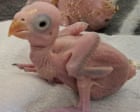
In response to these seizures, staff at the National Zoological Garden in Pretoria are now incubating the confiscated eggs. The zoo has reported that some of the rescued eggs have already successfully hatched, offering a glimmer of hope for the affected species. The embassy of Thailand in South Africa has not yet responded to requests for comment.
South Africa faces a significant challenge with various forms of wildlife smuggling, including the illicit trade of rhino horns, tiger bones, abalone shellfish, and rare succulent plants. The interception of these parrot eggs is part of a broader effort by authorities to combat these illegal activities.
The ministry's statement underscores the critical need for international cooperation and stringent enforcement measures to protect endangered wildlife. The methods used for smuggling, involving homemade incubators, suggest a determined effort to bypass detection and potentially exploit vulnerable species for commercial gain.
Further investigations are expected to determine the origin of the eggs and the intended destination, as well as to identify any broader trafficking networks operating within the region. The success of the National Zoological Garden in hatching some of the eggs provides a critical intervention, but the underlying issue of poaching and smuggling remains a pressing concern for conservationists.
This article was written by AI based on publicly available news reporting. Original reporting by the linked source.