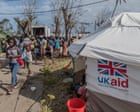
UK Aid Cuts Slash Support to Africa by 90% for Some Nations
UK foreign aid cuts will reduce bilateral support to some African countries by up to 90%, with Mozambique and Malawi facing the largest reductions.
The United Kingdom's significant cuts to its foreign aid budget are set to drastically reduce bilateral support to several African nations, with reductions reaching as high as 90% for some countries, according to figures released by the Foreign Office.
The department's annual report provides a detailed breakdown of how the reduced aid budget will impact individual countries over the next three years. This move, announced by the Labour government last year, has drawn sharp criticism from development charities and international aid organizations.
Analysis by Bond, an umbrella group representing development charities, indicates that Mozambique and Malawi will experience cuts of 90% by 2029. Rwanda and Sierra Leone are expected to see reductions of 80%, while Somalia will face a 49% decrease in bilateral support. Romilly Greenhill, chief executive of Bond, expressed concern that these cuts abandon "communities on the frontlines of conflict and the climate crisis and risks plunging these countries’ populations into poverty and instability."
The implications of these cuts are far-reaching, potentially jeopardizing vital projects and undermining years of development work. Charities argue that the scale of the reduction in direct support to individual countries will have a severe impact on essential services and long-term development initiatives.
These deep reductions in overseas aid spending were announced by Keir Starmer's government as part of a broader strategy to fund increases in the defence budget. This decision led to the resignation of Anneliese Dodds as development minister at the time of the announcement. The government's rationale for the cuts includes a shift in strategy towards funding multilateral donors, such as the World Bank, which it contends offers a more efficient use of limited resources.
In a written statement to parliament in March, Foreign Secretary Yvette Cooper explained the government's approach, stating that in "a range of countries, we will transition away from spending high levels of grant ODA [overseas development assistance], but our ambition and effort will remain high – delivering through modernised partnerships, and making the most of what the UK has to offer."
However, charities maintain that the reduction in direct bilateral aid will critically undermine targeted programs. These programs often address specific needs related to health, education, and infrastructure in vulnerable regions. The shift to multilateral funding, while potentially offering broader reach, may dilute the UK's ability to address specific, urgent humanitarian and developmental challenges in partner countries.
The long-term consequences for recipient nations remain a significant concern. Experts in international development warn that such drastic cuts could reverse progress made in poverty reduction, health outcomes, and economic stability, particularly in countries heavily reliant on foreign assistance. The UK's global standing and its commitment to international development goals are also being questioned in light of these significant reductions.
This article was written by AI based on publicly available news reporting. Original reporting by the linked source.