UK Army Cancels Kenya Training Amid Justice Powers Dispute
Britain's Ministry of Defence canceled army training in Kenya after Nairobi demanded more jurisdiction over offenses by British soldiers.
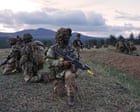
The British army has been forced to cancel planned training exercises in Kenya following a dispute with the Kenyan government over legal jurisdiction and funding. The cancellation affects a September exercise involving the 1st Battalion the Duke of Lancaster's Regiment.
The decision arises from Kenya's refusal to ratify a bilateral defence agreement that would have allowed the training to proceed. Kenyan lawmakers had sought amendments to the existing agreement, demanding greater powers for local authorities to hold British soldiers accountable for offenses committed within Kenya.
According to Kenyan media reports, the core of the disagreement lies in which criminal cases Kenya would retain primary jurisdiction over. Additionally, the financial contributions made by Britain to host the training camp have reportedly become a point of contention.
Nelson Koech, the chair of the Kenyan national assembly’s defence, intelligence and foreign relations committee, stated that both governments are "actively engaging to address these outstanding issues." However, the immediate consequence is the cancellation of the upcoming exercise.
A spokesperson for the UK Ministry of Defence expressed regret over the situation, emphasizing the value of the UK-Kenya defence relationship. "The UK highly values its relationship with Kenya, which is underpinned by mutual benefit, respect and cooperation," the spokesperson said. "Our joint training and operations with the Kenyan Defence Forces are keeping both Kenyan and British people safe."
The ministry confirmed that the necessary licenses for the Laikipia training were not granted, leading to the decision to relocate the exercise. "As a result, the planned training will now be conducted at an alternative location outside Kenya," the spokesperson added.
The British army training unit in Kenya (BATUK), located near Nanyuki, also plays a role in training Kenyan armed forces. The presence of British troops has historically provided economic benefits to the region, making the dispute a significant development for both nations' defence cooperation and local economies.
This cancellation highlights the complexities of international military partnerships, particularly concerning legal frameworks and financial arrangements. The resolution of these "outstanding issues" will be critical for the future of joint military activities between the UK and Kenya.
This article was written by AI based on publicly available news reporting. Original reporting by the linked source.