UK Eases Russian Oil Sanctions Amid Soaring Fuel Prices
Britain relaxes curbs on Russian-refined diesel and jet fuel imports due to rising prices and supply concerns.
The UK government has eased stringent sanctions on Russian oil that has been refined into diesel and jet fuel in third countries, a move that takes effect on Wednesday. This adjustment comes as global supply concerns intensify, particularly for certain fuels, exacerbated by disruptions in key shipping routes.
The decision reflects a growing need to address rising fuel costs and supply chain vulnerabilities. For years, the UK has been at the forefront of international efforts to exert economic pressure on Russia through sanctions, particularly in response to its actions in Ukraine. However, the current economic climate and the impact of geopolitical events have necessitated a recalibration of these measures.
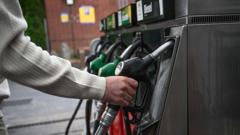
Key details of the revised policy include the lifting of some sanctions on the transport of Russian liquefied natural gas (LNG). While the government asserts that overall sanctions remain robust, it acknowledges the need for "extra flexibilities" to manage current market conditions. The average price of unleaded petrol in the UK has reached its highest point since the conflict began, according to motoring firm the RAC, with prices standing at 158.52p per litre on Monday.
This policy shift has significant implications for fuel markets and consumers. The easing of sanctions will effectively permit imports of jet fuel from countries like India, which has been a crucial supplier for the UK and Europe. Similarly, Russian crude oil is refined in Turkey, and these processed products will now face fewer import restrictions. The new rules for sanctioned processed oil products are indefinite but subject to periodic review and potential amendment or revocation.
Previously, in October, the government had announced plans to ban oil products, including diesel and jet fuel, refined from Russian crude oil in third countries. The current adjustment signifies a pragmatic response to escalating prices and potential supply shortages that affect both consumers and industries, including airlines that have already cancelled flights and increased fares due to soaring jet fuel costs.
Treasury minister Dan Tomlinson emphasized that this "small and specific and time-limited change" is designed to "protect the security of supply for really important foundational goods in our economy such as jet fuel." He stated that while the commitment to supporting Ukraine remains unwavering, the government must make "right and sensible decisions" regarding vital products to alleviate the cost of living pressures faced by families across the country.
Similar measures by the United States have drawn criticism. The duration of the license for maritime transportation of LNG and related services under Russian sanctions rules is set to expire on January 1, indicating a potentially temporary adjustment for this specific commodity.
The broader context includes the ongoing conflict in Ukraine and its ripple effects on global energy markets. European jet fuel prices, which more than doubled after the war's commencement, have since fallen but remain significantly higher than pre-conflict levels. The UK's decision underscores the complex balancing act governments face in maintaining geopolitical stances while managing domestic economic stability and consumer welfare.
This article was written by AI based on publicly available news reporting. Original reporting by the linked source.