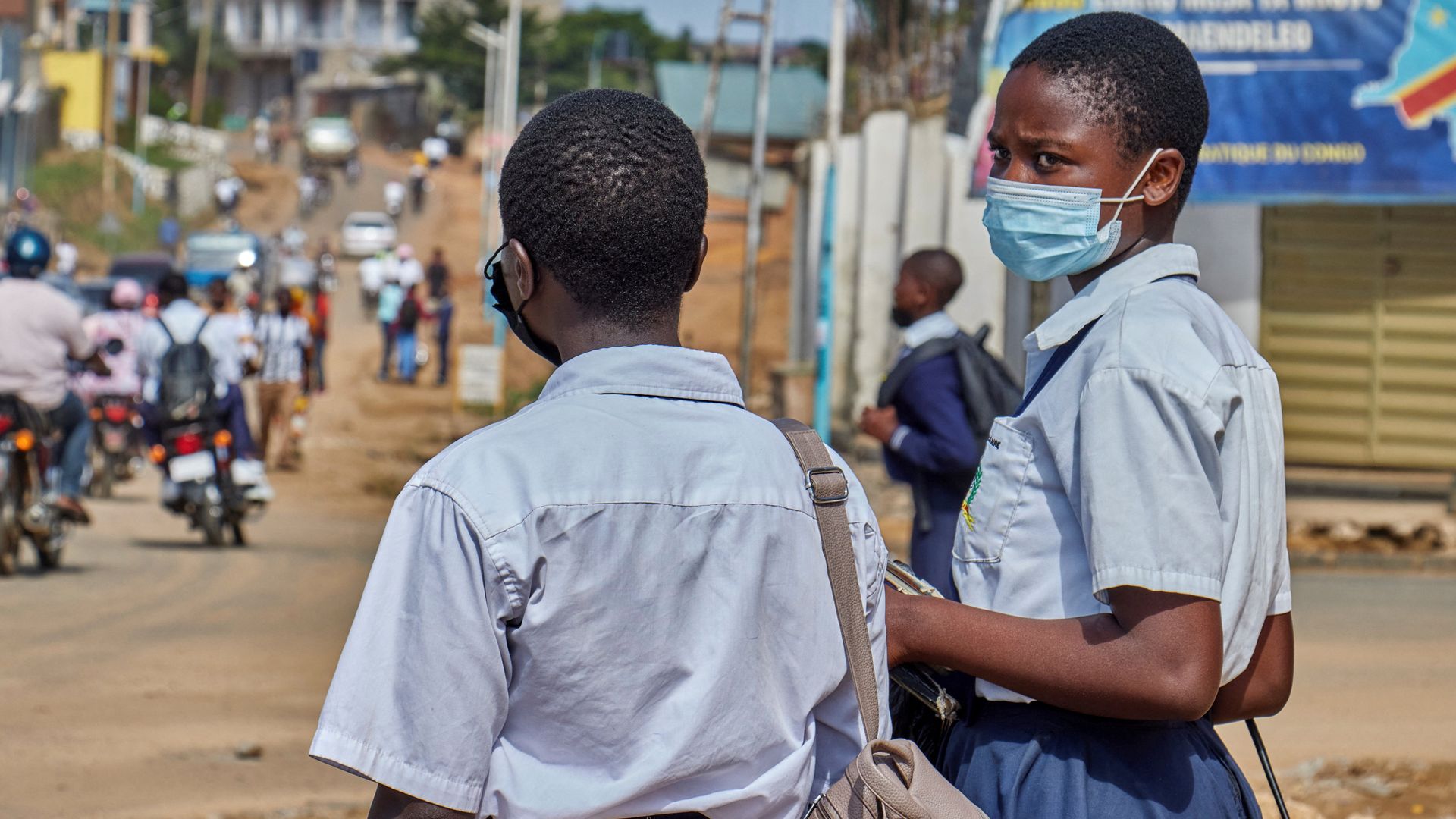
UK Pledges £20 Million to Combat Deadly Ebola Outbreak in Africa
The UK government is providing up to £20 million to help contain an Ebola outbreak in the Democratic Republic of the Congo and Uganda.
The United Kingdom has announced it will provide up to £20 million in funding to support efforts to contain a deadly Ebola outbreak affecting the Democratic Republic of the Congo and Uganda. The outbreak is suspected of claiming the lives of more than 130 individuals.
This significant financial commitment aims to bolster international and local responses to the escalating health crisis. Ebola, a severe and often fatal illness, requires swift and robust containment measures to prevent widespread transmission and minimize casualties. The affected regions are working with international health organizations to implement control strategies.
The funding will be directed towards critical areas such as contact tracing, laboratory diagnostics, treatment centers, and public health messaging. Health officials emphasize that early detection and rapid response are paramount in controlling the spread of the virus. The UK's contribution is expected to enhance the capacity of healthcare workers on the ground and provide essential medical supplies.
This pledge underscores the UK's commitment to global health security and its role in responding to humanitarian crises. By investing in outbreak containment, the UK aims to prevent further loss of life and mitigate the risk of the virus spreading beyond the immediate affected areas. The precise allocation of funds will be determined in collaboration with health authorities in the affected countries and international partners.
The current outbreak presents a formidable challenge, with health systems in some of the most vulnerable regions facing immense pressure. The Democratic Republic of the Congo has a history of grappling with Ebola, and the re-emergence of the virus necessitates a coordinated and well-resourced response. Uganda is also working to manage the situation within its borders.
International health bodies, including the World Health Organization, are closely monitoring the situation and coordinating the global response. Their expertise is crucial in guiding containment strategies, ensuring that resources are deployed effectively, and providing technical support to national health ministries. The effectiveness of the UK's funding will partly depend on the seamless integration with ongoing international efforts.
While the exact origins and transmission pathways of this specific outbreak are still under investigation, the focus remains on halting further spread. Public health campaigns are vital to educate communities about prevention measures, such as safe burial practices and avoiding direct contact with infected individuals and bodily fluids.
Questions remain about the long-term implications for public health infrastructure in the affected nations and the potential for future outbreaks. Continued international cooperation and sustained investment in healthcare systems will be essential to build resilience against such devastating diseases.
This article was written by AI based on publicly available news reporting. Original reporting by the linked source.