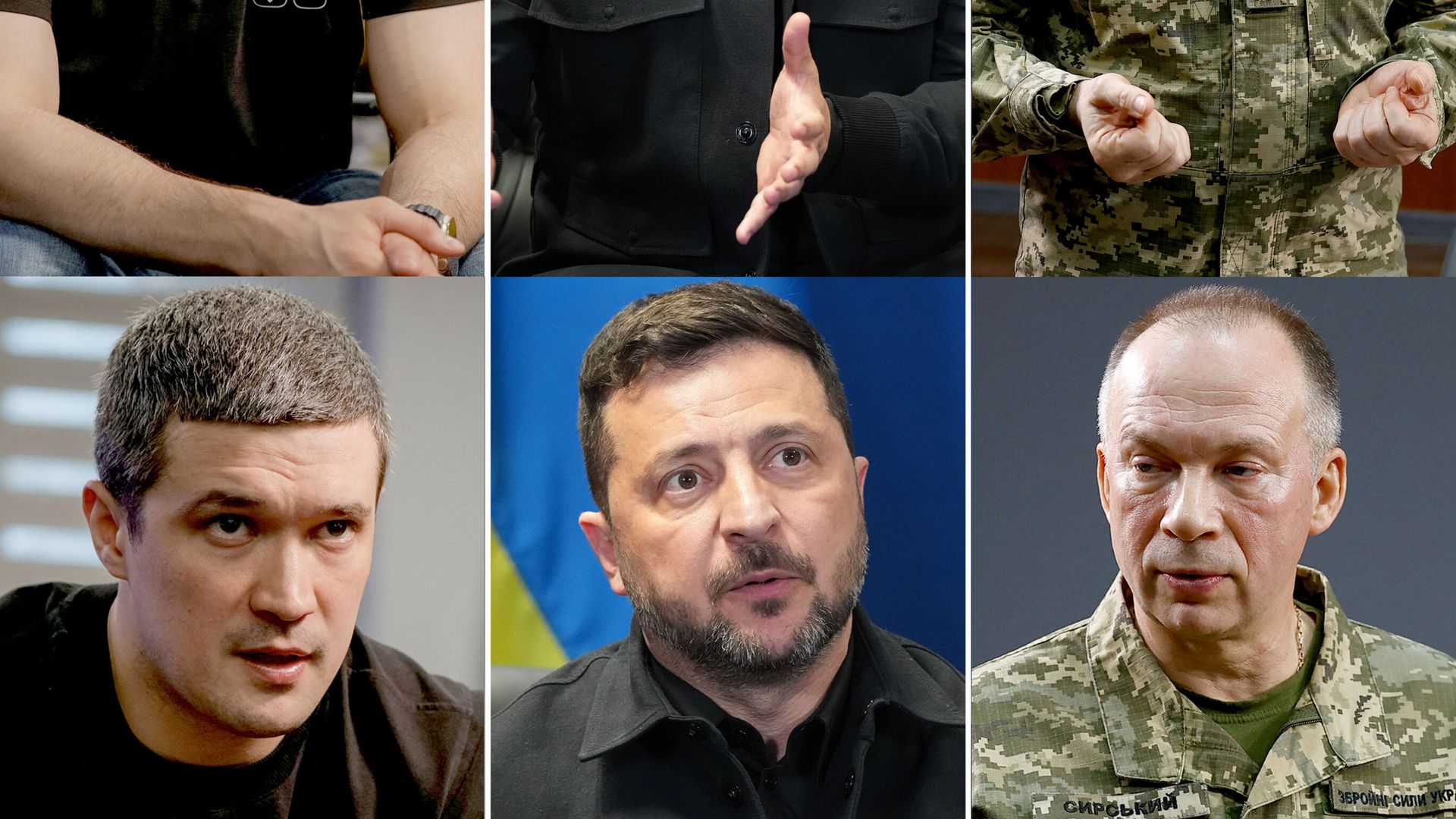
Ukraine's Top War Team Rupture Benefits Only Russia, Analysts Warn
A deep rift within Ukraine's military leadership creates a dangerous vulnerability that Russia can exploit.
An unprecedented internal conflict within Ukraine's top military command has erupted, creating a moment of significant vulnerability for the nation and offering a clear advantage to Russia. The rupture, occurring at the highest echelons of the country's war-fighting apparatus, has sparked concerns about the stability and effectiveness of Ukraine's defense strategy at a critical juncture.
This internal discord comes at a time when Ukraine is heavily reliant on unified leadership and unwavering morale to counter Russia's ongoing aggression. Analysts suggest that such public and profound disagreements among key military figures can erode public confidence, sow confusion among troops, and ultimately weaken the nation's resolve on the battlefield. The timing of this division is particularly perilous, as Ukraine continues to seek international support and prepare for potential future offensives or defensive operations.
The specific nature of the dispute and the individuals involved have not been fully detailed, but reports indicate a serious breakdown in trust and operational alignment. This internal strife is seen as a strategic gift to Moscow, which has consistently sought to destabilize Ukraine and undermine its capacity to resist. The Kremlin's propaganda machine is likely to seize upon these divisions to portray Ukraine as internally fractured and incapable of effective self-governance or defense.
Experts warn that the immediate implication is a potential paralysis in decision-making and a diversion of focus away from the external threat posed by Russia. The unity and clarity of command are paramount in wartime, and any significant fissure at the top can have cascading negative effects throughout the military chain of command, impacting everything from troop deployment to resource allocation.
Historically, internal political and military infighting has often been exploited by adversaries. In the context of the ongoing conflict with Russia, which has been characterized by asymmetric warfare and strategic maneuvering, any perceived weakness or disunity within Ukraine's leadership is a critical vulnerability. Russia has a well-documented history of leveraging internal dissent and political instability in target nations to achieve its strategic objectives.
International partners who are providing substantial military and financial aid to Ukraine will be closely watching these developments. A fractured leadership could raise questions about the efficacy of their support and the long-term prospects for Ukraine's stability. Maintaining a strong, unified front is crucial for continued international backing and for demonstrating the resilience required to overcome the invasion.
While the exact details of the dispute remain somewhat opaque, the consensus among observers is that this internal conflict serves no purpose for Ukraine's defense and can only embolden its aggressor. The focus now shifts to how quickly and effectively Ukrainian leadership can resolve these internal disagreements and restore a cohesive command structure to face the persistent external threat.
The situation raises significant questions about accountability, the mechanisms for resolving high-level military disputes, and the potential for external actors to exploit such divisions. The coming days and weeks will be crucial in determining whether Ukraine can overcome this internal challenge and maintain the unified front necessary for its survival.
This article was written by AI based on publicly available news reporting. Original reporting by the linked source.