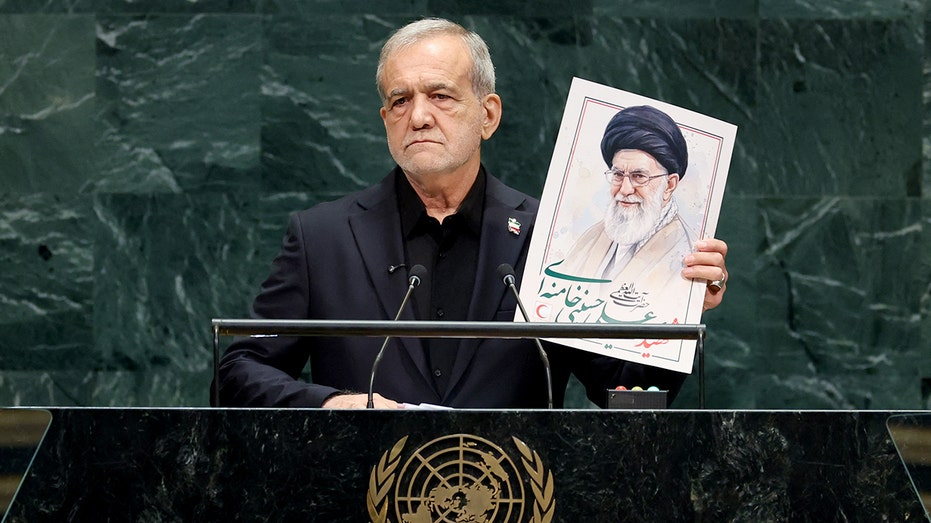
UN Reaffirms Iran's Committee Seat, Drawing Global Outrage Over Human Rights
The UN reconfirmed Iran's membership on a human rights and counterterrorism committee, sparking widespread condemnation.
The United Nations has reconfirmed Iran's membership on a key committee focused on human rights and counterterrorism, a decision that has ignited significant international backlash. The move comes amidst ongoing concerns about Iran's own human rights record and its alleged involvement in global terrorism.
This decision by the UN, a body ostensibly dedicated to upholding international peace and human rights, has been met with disbelief and anger by critics. Iran has faced numerous accusations of systematic human rights abuses, including severe restrictions on freedom of speech, suppression of dissent, and harsh punishments for perceived opposition.
Details surrounding the reconfirmation process were not immediately made public, but the outcome has led to sharp criticism from various governments and human rights organizations. Many have labeled the decision as "morally bankrupt" and a severe blow to the UN's credibility in its mission to promote and protect human rights worldwide.
The implications of this decision are significant, potentially undermining efforts to hold nations accountable for human rights violations. Critics argue that placing a country with Iran's documented record on such committees sends a contradictory message and weakens the international community's stance against abuses.
Human rights advocates have pointed to Iran's history of persecuting minorities, its use of the death penalty, and its alleged support for militant groups as clear reasons for its exclusion from bodies concerned with human rights and counterterrorism. The UN's decision, they argue, ignores these widely reported issues.
International relations experts suggest that the vote may reflect complex geopolitical dynamics within the UN, where member states often vote based on strategic alliances rather than solely on human rights considerations. This has led to a perception that the organization can be influenced by political maneuvering, diminishing its effectiveness.
Further analysis of the vote indicates a deep division among member states regarding Iran's suitability for such committees. While some nations may have voted in favor of retaining Iran, citing the need for universal representation or engagement in dialogue, this outcome has clearly alienated a significant portion of the international community.
The controversy raises critical questions about the UN's selection processes for its committees and its ability to maintain impartiality and uphold its core principles when dealing with member states facing serious allegations. The long-term impact on the UN's reputation and its effectiveness in addressing global human rights challenges remains a key concern.
This article was written by AI based on publicly available news reporting. Original reporting by the linked source.