US Accused of Weaponizing Somalia's Floods, Trapping Civilians
US airstrikes in Somalia allegedly force civilians towards the Juba River, trapping them in the path of rising floodwaters.
US forces are accused of "weaponizing" Somalia's severe flooding by conducting airstrikes that allegedly drive civilian populations into the path of rising waters, including those affected by the El Niño weather phenomenon. The accusations stem from accounts of residents in Jilib, a city in southern Somalia held by al-Shabaab militants, who describe repeated drone attacks pinning them beside the Juba River as its levels surge.
These claims paint a grim picture of the human cost of a shadowy, legally ambiguous conflict in East Africa coordinated by the United States Africa Command (Africom). While the US military has not released operational details, citing security concerns, the strategy raises profound questions about civilian safety and accountability for harm.
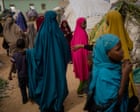
Residents like Cayni Ali, a 27-year-old mother of six, report that airstrikes have become constant, killing animals and civilians and forcing people to seek refuge near the increasingly dangerous riverbanks. Asho Omar, from a nearby village, echoed these sentiments, stating that the "airstrikes are everywhere; it is difficult to move. So many people have been killed."
The implications of these accusations are significant, suggesting a potential military tactic that exacerbates the impact of natural disasters on vulnerable populations. The conflict zone around Jilib, described as a stronghold of al-Shabaab, is largely cut off, making independent verification of casualty figures and military actions difficult.
This situation highlights the complex and often opaque nature of US counter-terrorism operations in Somalia. The lack of transparency from Africom regarding specific operations and their impact on civilians fuels concerns among human rights observers and humanitarian organizations. The ongoing conflict is said to be a "shadowy war" with little oversight.
The escalating climate crisis, with El Niño exacerbating rainfall and flooding across the Horn of Africa, adds another layer of complexity. The combination of intense military action and severe weather events creates a humanitarian crisis where civilians are caught between militant control and potentially hazardous military maneuvers.
Questions remain about the deliberate intent behind the airstrikes' proximity to the river and whether alternative military strategies could minimize civilian exposure to both conflict and natural hazards. The lack of accountability for civilian harm in such operations has been a persistent concern.
Further investigation is needed to ascertain the full extent of civilian casualties and the strategic rationale behind operations in areas experiencing severe flooding, particularly given the potential for military actions to inadvertently increase the danger posed by environmental factors.
This article was written by AI based on publicly available news reporting. Original reporting by the linked source.