US and Iran Agree Deal: Strait of Hormuz Reopening Uncertain
A US-Iran deal aims to end hostilities, but reopening the Strait of Hormuz to normal shipping traffic faces significant delays.
The White House and the Iranian regime have agreed to a framework deal intended to bring about a more long-term end to hostilities, more than three months after the US and Israel began their conflict with Iran. This Middle East crisis had previously sent global oil prices soaring as the conflict effectively closed one of the world's key water transport routes.
This closure impacted the flow of oil, liquid natural gas, and other essential commodities, leading to limited global supplies. However, experts are cautioning that a return to normal shipping through the Strait of Hormuz will likely take considerable time, and the economic repercussions of the war could persist for months.
US President Donald Trump announced the agreement, stating it would include the reopening of the strait to commercial shipping. Despite this announcement, ship-tracking data from MarineTraffic suggests that traffic levels in the Strait of Hormuz remain low. Since Sunday, only two vessels with active trackers have exited the waterway: a bulk carrier and a tanker.
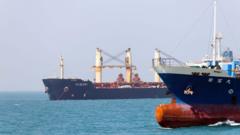
The Strait of Hormuz has been largely closed to most shipping traffic since February 28, with only a limited number of vessels considered friendly to Iran able to pass through. Approximately 200 vessels have been stranded in the gulf, with the threat of sea mines or drone strikes posing significant risks to crews and preventing safe passage.
Neil Shearing, group chief economist for Capital Economics, noted that it is still uncertain whether the agreement signifies a fragile truce or a lasting settlement. He anticipates that it will take time for oil flows through the Strait to reach pre-war levels, even with the prospect of safe passage.
Shearing further explained that even if ships gain safe passage, many tankers are currently misplaced, and oil production and refining facilities need to resume full capacity. Additionally, questions regarding the cost and availability of insurance for vessels traversing the Strait will persist, adding further complexity to the reopening process.
Even before the current agreement, during the existing ceasefire, shipping companies demonstrated significant reluctance to attempt moving their vessels out of the strait. Their immediate priority will be to extricate these stranded vessels, a process that will precede any broader resumption of normal traffic.
Normally, the Strait of Hormuz serves as a crucial chokepoint, with approximately one-fifth of the world's oil and LNG supplies flowing through it. The effective halt to traffic has had a significant impact on global energy markets and the broader international economy.
This article was written by AI based on publicly available news reporting. Original reporting by the linked source.