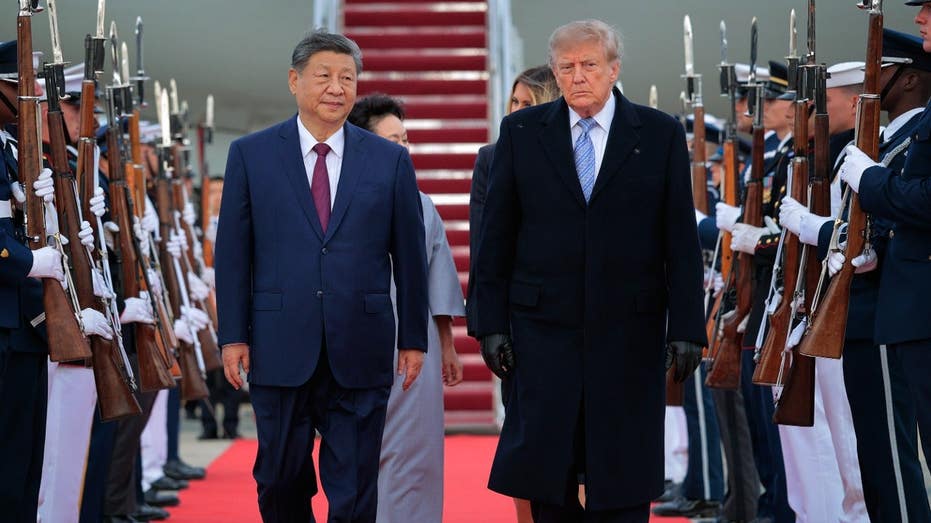
US, China Strike $30B Tariff Deal on Non-Sensitive Goods Post-Summit
President Trump and Chinese President Xi Jinping agreed to reduce tariffs on $30 billion of non-sensitive goods following their summit.
President Donald Trump and Chinese President Xi Jinping have reached an agreement to lower tariffs on approximately $30 billion worth of non-sensitive goods traded between the two nations. The deal was announced following a high-level summit between the two leaders, aiming to de-escalate trade tensions.
The agreement marks a significant development in the ongoing trade dialogue between the world's two largest economies. While the specific categories of goods affected were not immediately detailed, sources indicated the focus is on products deemed less critical to national security or core economic interests. This move could provide some relief to businesses reliant on cross-border trade.
Details emerging from the summit suggest that the tariff reductions are part of a broader effort to find common ground amidst broader trade disputes. The specific percentage or structure of the tariff reduction was not disclosed, but the stated value of goods involved is $30 billion. This figure represents a portion of the total trade volume between the U.S. and China.
The implications of this tariff reduction deal are multifaceted. It could signal a potential path toward resolving more complex trade disagreements and might lead to increased business confidence. However, the broader trade war, which has seen significant tariffs imposed on hundreds of billions of dollars worth of goods, remains largely in place.
Analysts suggest this move is a strategic step by both administrations to demonstrate progress and manage domestic and international perceptions of the trade relationship. The focus on "non-sensitive" goods allows for a symbolic gesture of cooperation without immediately conceding on more contentious issues, such as intellectual property rights or market access.
This development comes after a period of escalating trade friction, characterized by reciprocal tariff hikes. The U.S. has imposed tariffs on a wide array of Chinese imports, and China has retaliated with its own duties on American products. The economic impact of these measures has been a subject of ongoing debate, affecting various sectors from manufacturing to agriculture.
Further discussions are expected to address the more significant trade imbalances and disputes that continue to strain the bilateral relationship. The success of this initial tariff reduction may set a precedent for future negotiations, but substantial challenges remain in achieving a comprehensive trade resolution.
Key questions persist regarding the timeline for implementing these tariff reductions and whether this agreement will pave the way for further concessions or if it represents a limited de-escalation amidst ongoing strategic competition.
This article was written by AI based on publicly available news reporting. Original reporting by the linked source.