US-Iran Ceasefire Deal Signed, Reopening Strait of Hormuz
A US-Iran agreement to extend a ceasefire is now in effect, reopening the vital Strait of Hormuz and ending conflict on all fronts.
A significant agreement between the United States and Iran, aimed at extending a ceasefire, has been formally signed and is now in effect, a White House official confirmed to the BBC.
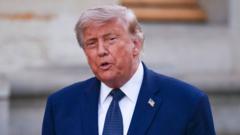
President Donald Trump signed the deal, known as a Memorandum of Understanding, during the G7 summit in Evian-les-Bains, France. This agreement is poised to reopen the strategically crucial Strait of Hormuz, a vital chokepoint for global oil shipments.
The 14-point accord addresses several key issues, including a commitment from Iran to never possess a nuclear weapon. It also outlines a $300 billion fund designated for Iran's reconstruction and economic development, though U.S. contributions are not mandated. This development occurs four months after a conflict involving the U.S., Iran, and Israel erupted.
The Trump administration has characterized the deal as performance-based, indicating that Iran will only see benefits if it adheres to its obligations. While the precise text leaves many critical issues unresolved and requires further negotiation, several key points have been disclosed.
Central to the agreement is Point 1: an "end to conflict 'on all fronts,'" including in Lebanon. The document stipulates an immediate and permanent cessation of military operations by the U.S., Iran, and their respective allies. U.S. officials have expressed concern that Israeli military actions against Hezbollah could jeopardize the broader agreement with Iran. Iran has consistently stated its expectation that Lebanon be included in the truce.
A spokesperson for the Iranian Ministry of Foreign Affairs stated that any continuation of Israeli military operations in Lebanon would be considered a violation, prompting necessary measures. The agreement mandates that neither side will initiate military operations or threaten the other, while also ensuring the territorial integrity and sovereignty of Lebanon. The document asserts that the final agreement will result in the permanent termination of the conflict. The reaction of Israel to this specific provision remains unclear.
Point 2 of the agreement focuses on mutual respect for "internal affairs." The text explicitly states that the U.S. and Iran will honor each other's sovereignty and territorial integrity, refraining from interference in domestic matters. This clause aims to de-escalate tensions by establishing clear boundaries regarding national sovereignty.
The agreement comes at a critical juncture, with the Strait of Hormuz's reopening holding significant economic implications. The details surrounding the $300 billion reconstruction fund and the conditions for its release will likely be subject to intense scrutiny and further negotiation.
This article was written by AI based on publicly available news reporting. Original reporting by the linked source.