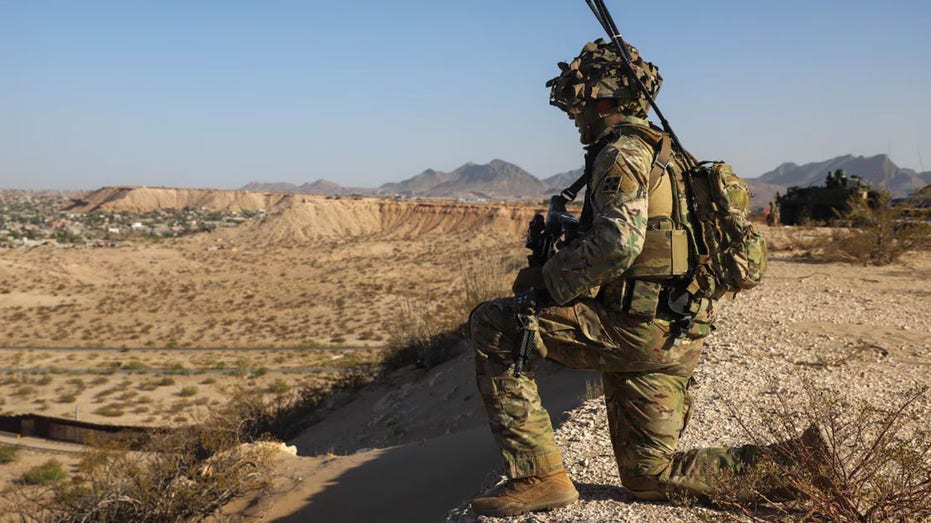
US Military Downs 100 Suspected Cartel Drones at Southern Border in August
The U.S. military intercepted and downed approximately 100 drones suspected of being operated by cartels near the southern border in August.
The U.S. military reported taking down an estimated 100 drones suspected of being operated by cartels along the southern border in August. The Pentagon confirmed the significant number of interceptions, highlighting a growing challenge in border security.
These unmanned aerial vehicles are increasingly being used by criminal organizations to surveil and transport illicit goods across the border. The operation underscores the evolving tactics employed by cartels and the military's efforts to counter these threats.
While specific details regarding the types of drones or the exact locations of the interceptions were not fully disclosed, the figure represents a substantial effort by military personnel. Officials view these drones as a serious concern due to their potential use in drug smuggling and other illegal activities.
The downing of these drones indicates a proactive stance by the U.S. military in disrupting cartel operations. This action is part of a broader strategy to enhance border security and prevent the flow of contraband into the United States.
Cartels have been adapting their methods to evade traditional border enforcement, turning to aerial surveillance and transport. Drones offer a less conspicuous and potentially more efficient way to monitor border activity and move smaller quantities of drugs or other contraband.
The military's involvement in border operations, particularly in interdicting aerial threats, reflects the complex and multifaceted nature of border security. It involves coordination between various agencies and branches of the armed forces.
This development comes amid ongoing concerns about the volume of illegal crossings and drug seizures at the southern border. The use of drones adds another layer of complexity to an already challenging situation.
Further details on the specific technologies used for detection and interception, as well as the precise impact on cartel operations, remain subjects of ongoing assessment and intelligence gathering.
This article was written by AI based on publicly available news reporting. Original reporting by the linked source.