US Monitors Russia After Lab Worker Dies From Suspected Plague Exposure
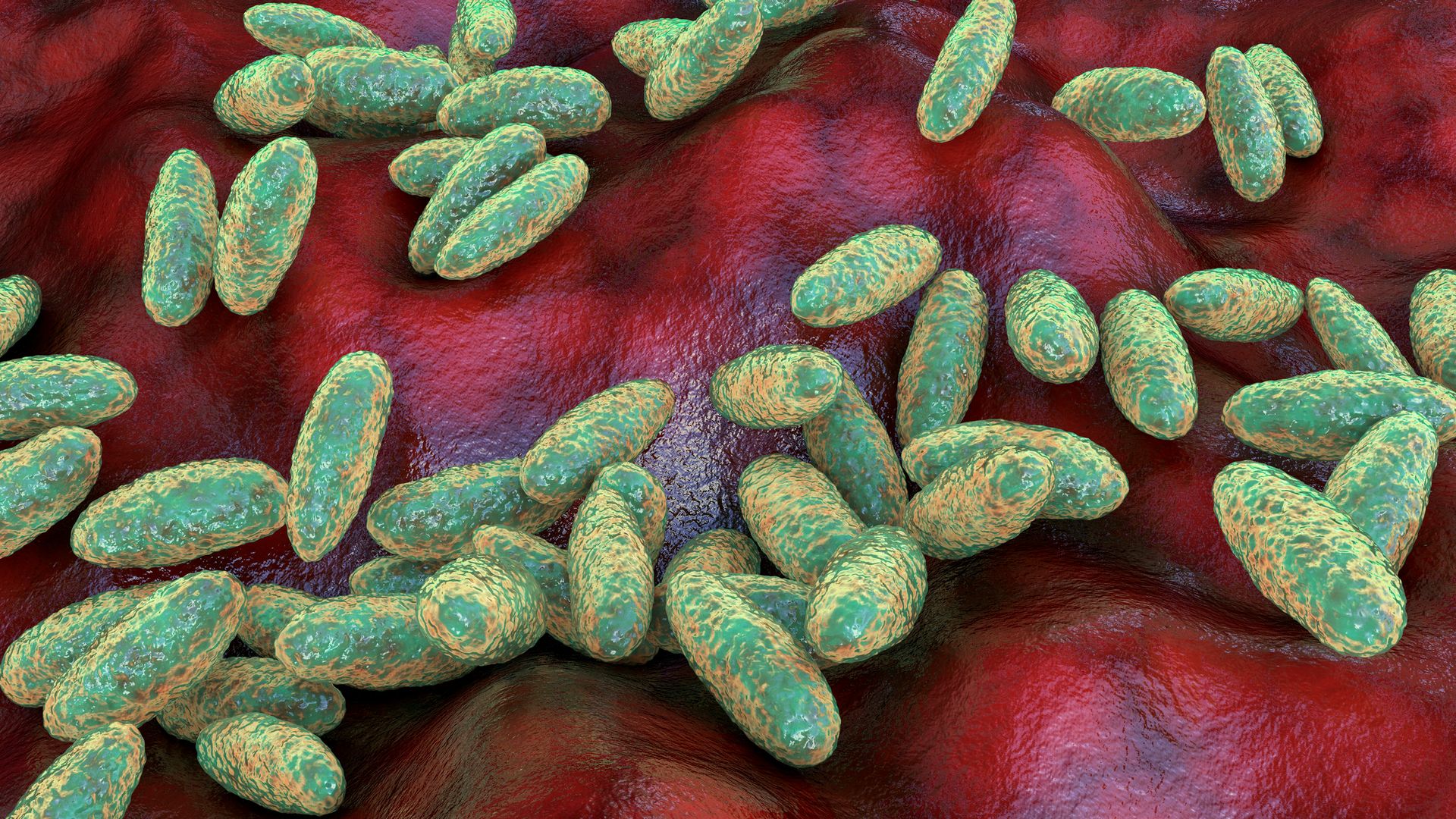
The US is closely monitoring a situation in Russia where a lab worker died after suspected exposure to the pneumonic plague.
The United States is "closely monitoring" developments in Russia following the death of a laboratory worker who may have been exposed to the pneumonic plague. The incident has raised concerns about biosafety protocols within Russian research facilities.
While details remain scarce, the reported death underscores the inherent risks associated with handling dangerous pathogens. Russia has a history of biological research, and incidents involving potential exposure, though rare, necessitate vigilance from international health organizations and governments.
U.S. officials have not provided specific details regarding the worker's exposure or the circumstances surrounding their death. However, the phrase "closely monitoring" suggests a level of concern about the potential implications for public health and biosafety. The pneumonic plague is a severe form of the disease that can be transmitted from person to person.
The implications of this incident could extend to international cooperation on infectious disease control and biosecurity. Transparency from Russian authorities will be crucial in assessing the situation and ensuring no further spread occurs. The U.S. will likely seek assurances regarding the safety measures in place at the laboratory.
Historically, laboratory accidents involving dangerous pathogens have led to outbreaks and necessitated stringent international regulations. The World Health Organization (WHO) and other global health bodies emphasize the importance of robust safety protocols, containment measures, and rapid response mechanisms to prevent such incidents.
Reactions from the scientific community and public health experts are expected to focus on the need for thorough investigation into the cause of death and the effectiveness of the laboratory's biosafety procedures. Further information is anticipated as Russian authorities conduct their own assessments.
Key questions remain regarding the exact nature of the worker's exposure, whether any other individuals may have been at risk, and the specific type of plague strain involved. The U.S. will be looking for clear answers to these questions.
International bodies will be keen to understand how such a potential exposure occurred and what steps are being taken to prevent recurrence. The incident highlights the ongoing challenges in ensuring global biosafety and the importance of international collaboration.
This article was written by AI based on publicly available news reporting. Original reporting by the linked source.