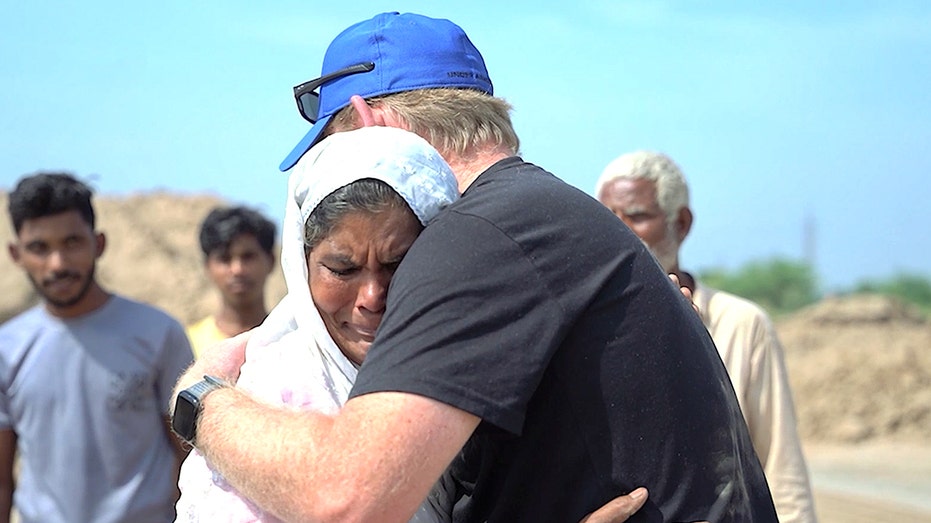
US Nonprofits Rescue 300 Christians from Pakistan Brick Kiln Slavery
American nonprofits successfully liberated 300 Pakistani Christians from bonded labor in brick kilns, citing divine intervention.
In a significant operation, American-based nonprofit organizations have successfully freed approximately 300 Pakistani Christians from conditions described as modern-day slavery in brick kilns. The individuals were allegedly trapped in bonded labor, working under exploitative conditions with little to no pay, often for generations.
The rescue efforts, spearheaded by faith-based groups from the United States, focused on communities where Christians have historically faced discrimination and economic hardship. These groups have been working to combat human trafficking and forced labor, particularly within vulnerable populations in South Asia.
Sources involved in the operation described the liberation as a complex and delicate process, requiring extensive groundwork and coordination within Pakistan. The rescued individuals, including families and children, were reportedly held in debt bondage, a system where individuals are forced to work to repay a debt that is often impossible to clear due to exploitative interest rates and meager wages. Many were allegedly subjected to harsh working environments and lacked basic human rights.
One of the nonprofit leaders involved stated that the success of the operation felt guided by a higher power, attributing the positive outcome to "God's hand." This sentiment highlights the deeply held faith of those involved and the belief that their work is a moral imperative.
The intervention by U.S. nonprofits underscores the persistent issue of bonded labor in various parts of the world, including South Asia. While Pakistan has laws against bonded labor, enforcement can be challenging, especially in remote or impoverished areas. International organizations and human rights advocates have long called for stronger measures to protect laborers and prosecute those who perpetuate such systems.
This operation brings attention to the plight of minority religious groups in Pakistan, who often find themselves at the lower end of the socio-economic spectrum. Discrimination can exacerbate their vulnerability to exploitation, making them targets for traffickers and unscrupulous employers. The efforts to free these individuals are part of a broader global fight against human trafficking, which affects millions worldwide.
Details regarding the specific methods used for liberation and the subsequent care for the rescued individuals are still emerging. However, the involved organizations typically provide immediate relief, including food, shelter, and medical attention, followed by longer-term support such as education for children and vocational training for adults to prevent re-enslavement.
The successful rescue of 300 individuals represents a notable victory in the ongoing struggle against forced labor. It also raises questions about the effectiveness of local and international efforts to monitor and prevent such human rights abuses in regions where poverty and systemic discrimination create fertile ground for exploitation.
This article was written by AI based on publicly available news reporting. Original reporting by the linked source.