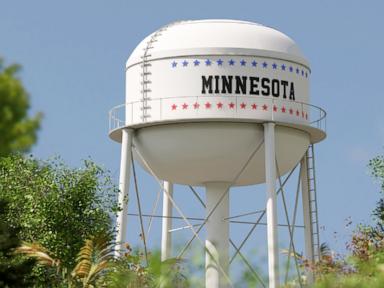
US probes possible Iran link to over 30 Minnesota water system hacks
Federal and state authorities are investigating a potential Iranian connection to cyberattacks targeting more than 30 Minnesota water plants.
Federal and state authorities are investigating the possibility that Iran or hackers affiliated with the country are responsible for a series of coordinated cyberattacks that affected over 30 water plants in Minnesota earlier this week. Multiple U.S. officials, speaking on condition of anonymity, informed ABC News of the ongoing probe.
While the investigation is in its preliminary stages and no formal determinations have been made, the potential link to Iran is a significant development. The cyberattacks occurred on Sunday and Monday, prompting a swift response from state agencies. Minnesota IT Services (MNIT) confirmed the incidents but did not release specific details about the nature of the attacks, emphasizing that there were no immediate public health warnings issued regarding drinking water usage.
Officials are awaiting more detailed forensic analysis to confirm the origin of the attacks. The probe into Iranian connections was first reported by The New York Times. MNIT stated that the investigation is active and that responders are continuing to assess the affected systems. The Minnesota Department of Health is working closely with the impacted water facilities to ensure public health remains protected.
The pattern of these hacks in Minnesota bears resemblance to similar cyber incidents in other states, which have also been attributed to suspected Iran-linked actors. The Cybersecurity and Infrastructure Security Agency (CISA) has acknowledged awareness of multiple potential incidents affecting local water utilities across the country.
Acting CISA Director Nick Andersen stated that the agency is coordinating with the Environmental Protection Agency (EPA) and other government and industry partners. Their goal is to understand the scope of these attacks and provide necessary support to critical infrastructure operators to enhance their system defenses. The FBI has also confirmed it is aware of the intrusions but has not assigned responsibility.
These cyber threats to water infrastructure highlight growing concerns about the vulnerability of essential services. The U.S. has previously warned about the increasing sophistication of state-sponsored hacking groups, including those linked to Iran, which have targeted various sectors.
The coordinated nature of the attacks across multiple facilities in Minnesota suggests a well-planned operation. The lack of immediate disruption to water supply, according to state officials, may indicate that the hackers' objectives were not to cause immediate harm but possibly to test defenses or gather intelligence.
As the investigation continues, unresolved questions remain about the specific motives behind the attacks and the extent of the damage. Authorities are focused on strengthening cybersecurity measures for water systems nationwide to prevent future incidents and ensure the security of critical infrastructure.
This article was written by AI based on publicly available news reporting. Original reporting by the linked source.